


שער סיבוב נגד טיילגייטינג: איך זה עובד, סוגים ואיזה מהם אתה באמת צריך
2026-04-07


לכל מערכת בקרת גישה יש נקודת תורפה. לרוב המתקנים, זה השניות הספורות לאחר סריקה של תעודת אישור תקפה — כשאדם שני מחליק פנימה לפני שהמחסום נסגר. אןשער סיבוב נגד גייטינג נבנה במיוחד כדי לסגור את הפער הזה. זה לא רק מאמת את האישור. היא אוכפת פיזית ואלקטרונית מעבר של אדם אחד לכל אישור, בלי קשר ללחץ הקהל, מבוכה חברתית, או עוצמת עומס בשעות העומס.
המדריך הזה מסביר כיצדשער סיבוב נגד גייטינג טכנולוגיות גילוי, אילו סוגי שערים מתאימים לאילו רמות איום, ומה כדאי לחפש כשאתה כותב מפרט.
מהו שער סיבוב נגד שער זנב?
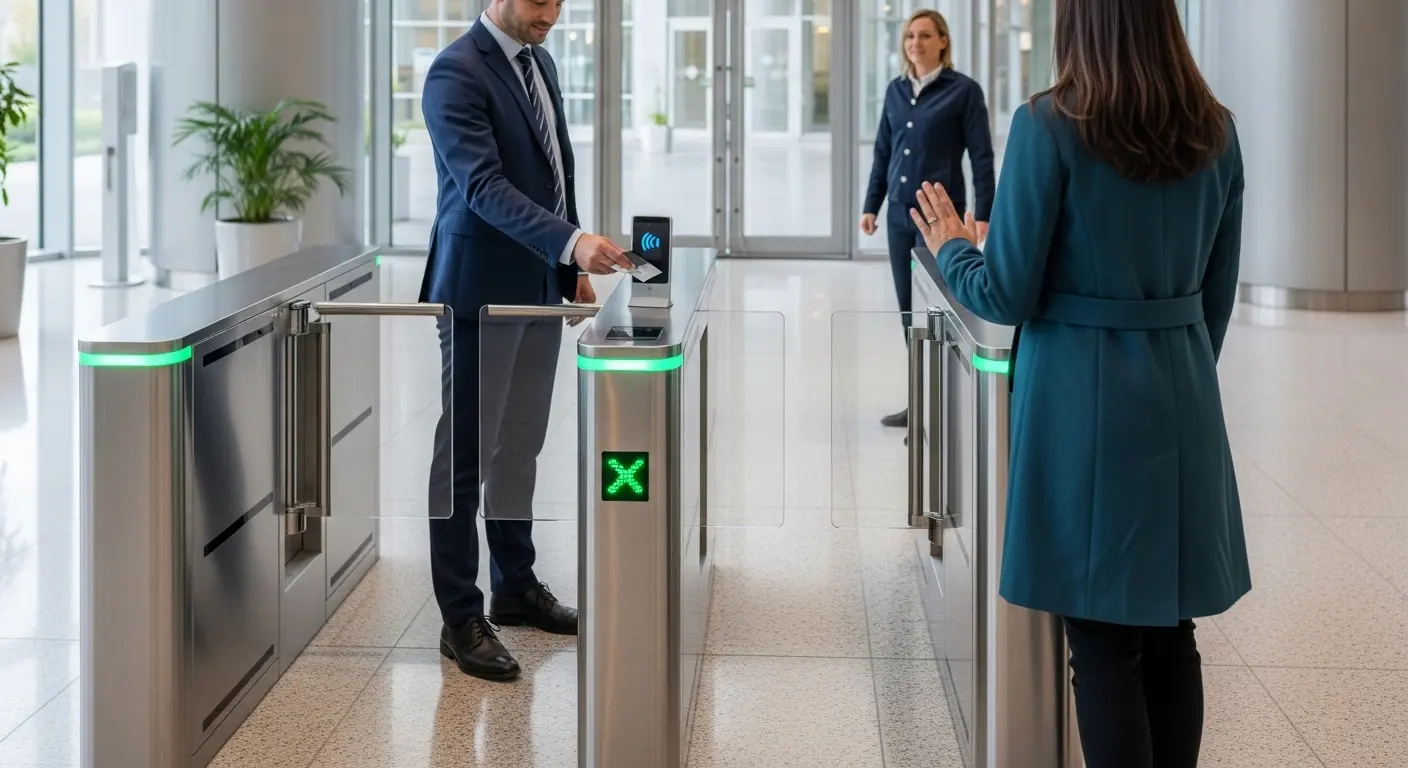
אןשער סיבוב נגד גייטינג הוא שער ממונע להולכי רגל עם מערכי חיישנים ולוגיקת זיהוי שמונעת מאדם שני לעבור דרך באמצעות אישור תקף יחיד. זה מפסיק "טיילגייטינג" — המעשה של מעקב אחרי אדם מורשה דרך שער פתוח מבלי לסרוק אישור.
דלתות נדנדות סטנדרטיות ומחסומים בסיסיים תלויות בצוות כדי לתפוס טיילגייטינג. הגישה הזו נכשלת לעיתים קרובות. העובדים מרגישים לחץ חברתי להשאיר דלתות פתוחות לעמיתים. השומרים מוסחים בזמן החלפת משמרות. במהלך חלונות העומס בבוקר, לא פורמלי "תמשיך לזוז" ההתנהגות משתלטת והמדיניות נעלמת בשקט.
אןשער סיבוב נגד גייטינג מסיר את המשתנה האנושי הזה. השער מטפל באכיפה אוטומטית, בכל פעם מחדש., בלי עייפות או היסוס. בתעשיות מפוקחות — בריאות, מרכזי נתונים, מבני ממשלה, משרדי פיננסים — אפילו מקרה אחד של טיילגייטינג עלול לגרום להפרות ציות או לביקורות אבטחה. לסביבות האלה, אשער סיבוב נגד גייטינג היא דרישת קו בסיס, לא שדרוג אופציונלי.
כיצד פועלת טכנולוגיית זיהוי נגד טיילגייטינג
לוגיקת הגילוי היא מה שמפריד בין מחסום בסיסי לאמיתי שער סיבוב נגד גייטינג. הבנת ההיגיון הזה עוזרת לך להעריך מוצרים בצורה ביקורתית, במקום להסתמך רק על שפת שיווק.
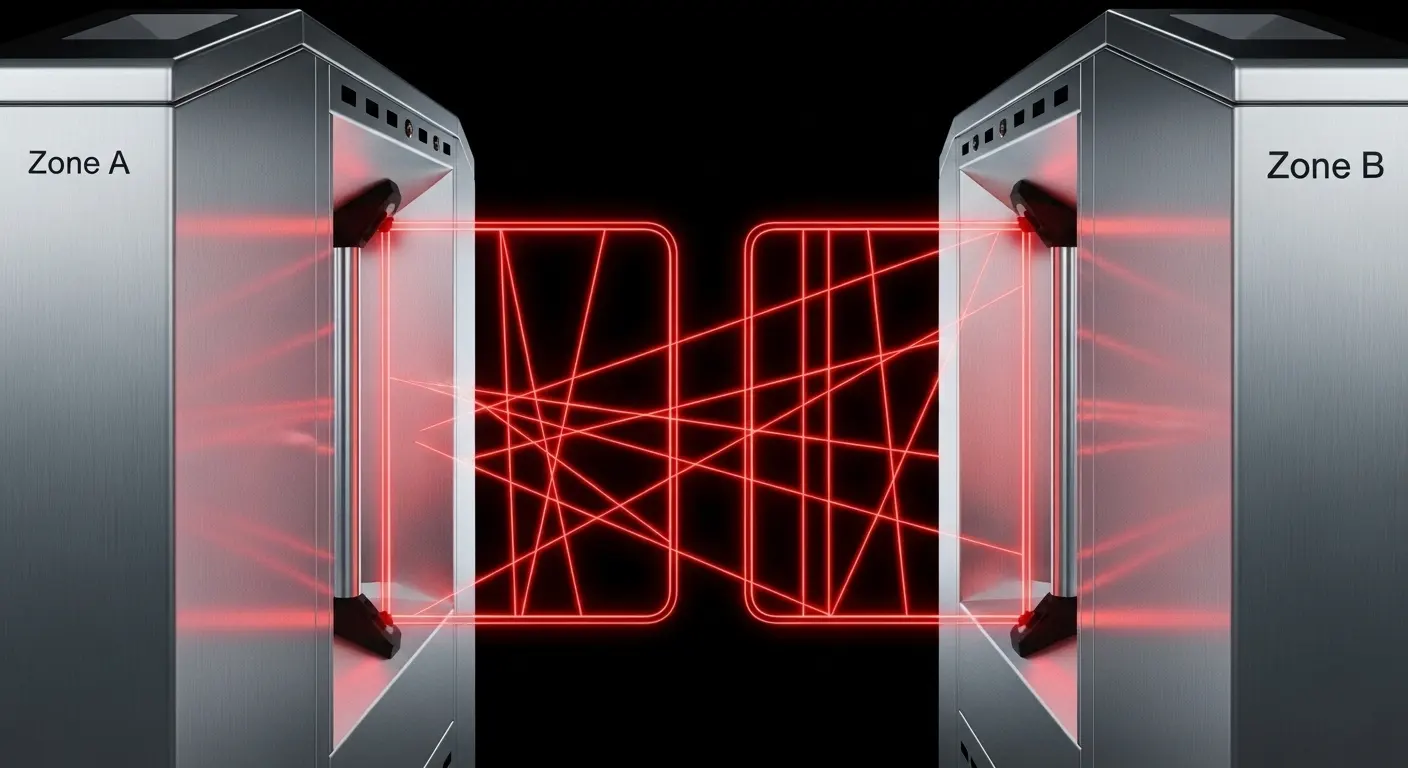
מערכי קרן אינפרא-אדום
רוב מערכות האנטי-טיילגייטינג מציבות זוגות של חיישני אינפרא-אדום בגבהים שונים לאורך אזור המעבר. כאשר אדם מורשה אחד עובר שם, הם שוברים את הקרניים האלה בהגדרה מוגדרת, רצף צפוי. השער קורא את הרצף הזה כהשלמה אחת, מעבר תקף. אם אדם שני נכנס לאזור לפני שהראשון עובר אותו לגמרי, הרצף שובר את הדפוס — והשער ננעל מחדש תוך מילישניות.
לוגיקת זיהוי דו-אזורית של AB
מערכות מתקדמות יותר מחלקות את אזור המעבר לשני אזורי גילוי עצמאיים: אזור A ואזור B. אזור A עוקב אחרי תחילת הכניסה. אזור B מאשר אישור מלא. גופה שנייה שמופיעה באזור א' בעוד שאזור ב' עדיין לא התפנה יורה מיד בנעילה מחדש והתראה. לוגיקת AB זו תופסת במיוחד את ניסיון המעקב הצמוד — שבו אדם שני הולך מיד מאחורי המשתמש המורשה ומנסה להחליק פנימה לפני שהלוח נסגר.
השער טורנסטל AB נגד שער זנב מריץ בדיוק את הלוגיקה הדו-אזורית הזו, מה שהופך אותה לאחת ממערכות הזיהוי האמינות ביותר לנקודות כניסה עם תנועה גבוהה. לפרטים טכניים מלאים, צפו בדף המוצר של שער הטורנסטל AB נגד שער זנב ישירות.
מצב זיכרון לעומת מצב. מצב שאינו זיכרון
מצב הזיכרון מאפשר לשער לעבד תור של סריקות תג ברצף מהיר — שימושי במהלך חלונות כניסה בנפח גבוה שבהם תג הצוות נכנס אחד אחרי השני. מצב שאינו זיכרון מאלץ השלמת מחזור מלא לפני שמתקבלת סריקה חדשה. לאזורי ביטחון גבוה, מצב לא-זיכרון עם אכיפה של מחזור מלא הוא ההגדרה הבטוחה יותר. המצב הנכון תלוי בדפוס התנועה בשעת השיא וברמת האבטחה שלך.
נעילה אוטומטית והתראה
לאחר סריקה של אישור תקף, השער נפתח לחלון קבוע — בדרך כלל שלוש עד חמש שניות. אם האדם המורשה לא משלים את המעבר בתוך חלון הזמן הזה, השער נסגר ויש להציג מחדש את התעודה. כאשר מתגלה טיילגייטינג, מתוכנן היטבשער סיבוב נגד גייטינג עושה שני דברים בו זמנית: המחסום הפיזי ננעל מחדש מיד, ואזעקה יורה לחדר הבקרה, שולחן אבטחה, או פלטפורמת CCTV מחוברת. השער מגיב במילישניות — מהר יותר מכל תגובה אנושית.
סוגי שערי כניסה נגד טיילגייטינג לפי רמת אבטחה פיזית
סוג השער קובע כמה הגנה נגד טיילגייטינג תקבל בפועל. גובה המחסום הפיזי ועומק החיישנים תורמים שניהם. אף אחד מהם לא מכסה את כל רמות האיום.
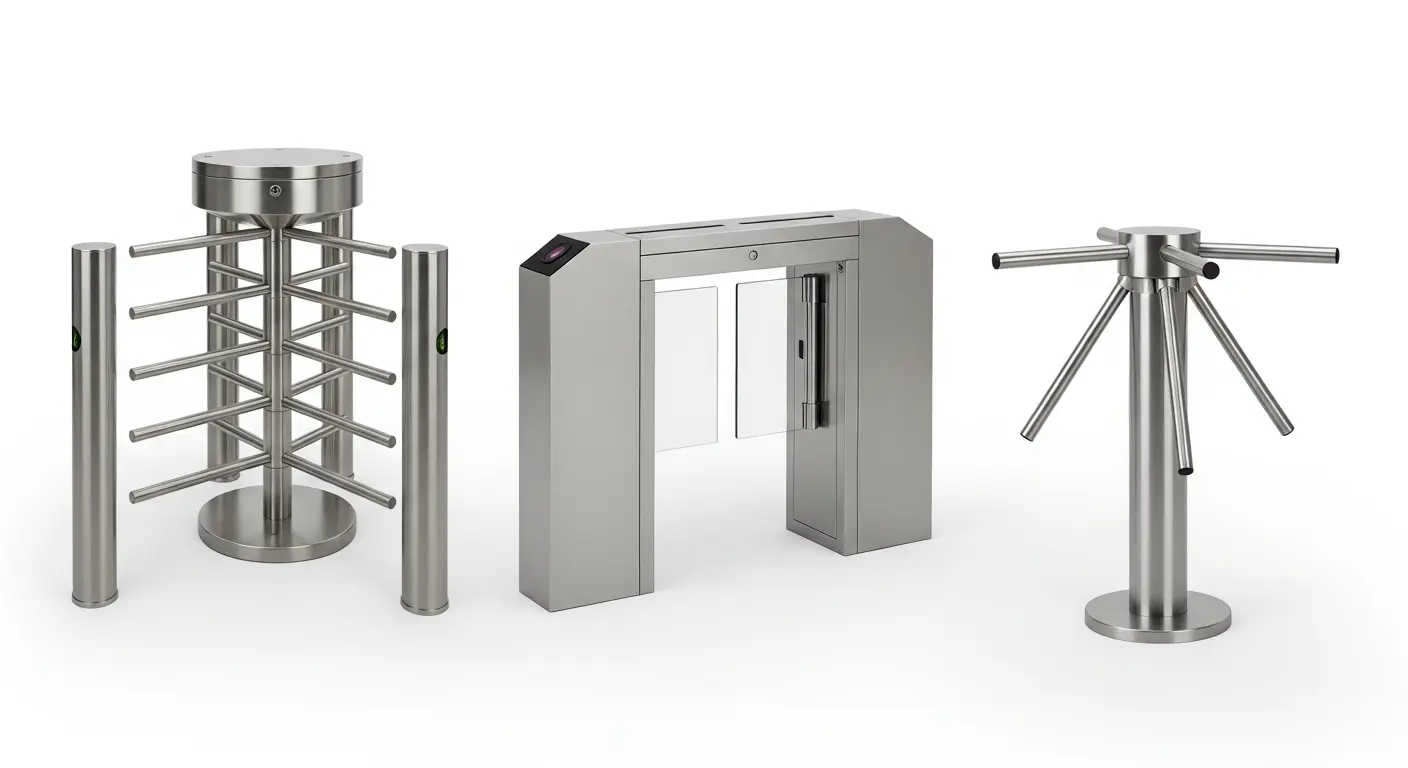
שער סיבוב נגד שער זנב בגובה מלא
הדגם בגובה מלא מספק את ההגנה הפיזית החזקה ביותר נגד זנב. המחסום מהרצפה לתקרה מונע טיפוס מעליו, זוחל מתחת, או בכפייה על אישור יחיד. חיישנים משלבים גילוי אלקטרוני מעל האכיפה הפיזית הזו.
זו הבחירה הנכונה להיקפים חיצוניים, מרכזי נתונים, מתקנים צבאיים, אתרים תעשייתיים, וכל אזור שבו פולש מוגדר פיזית הוא תרחיש ריאליסטי. השער בגובה מלא נגד טיילגייטינג בניית פלדה ברמה תעשייתית משולבת, נעילה אלקטרונית, וזיהוי רב-חיישנים ביחידה אחת. המפורטעמוד מוצר שער בגובה מלא נגד שער זנב מכסה את כל המפרטים הטכניים ואפשרויות הקריאה.
לכל מגוון תצורות המחסומים בעלי האבטחה הגבוהה, עיין בשערי טורבייל בגובה מלא קטגוריית מוצר. השער בקרת גישה בגובה מלא המודל כולל גם תמיכה ב-RFID וקוראים ביומטריים עם הפעלת Fail-Secure מובנית כסטנדרט.
מחסום פלפל עם חיישני אנטי-טיילגייטינג
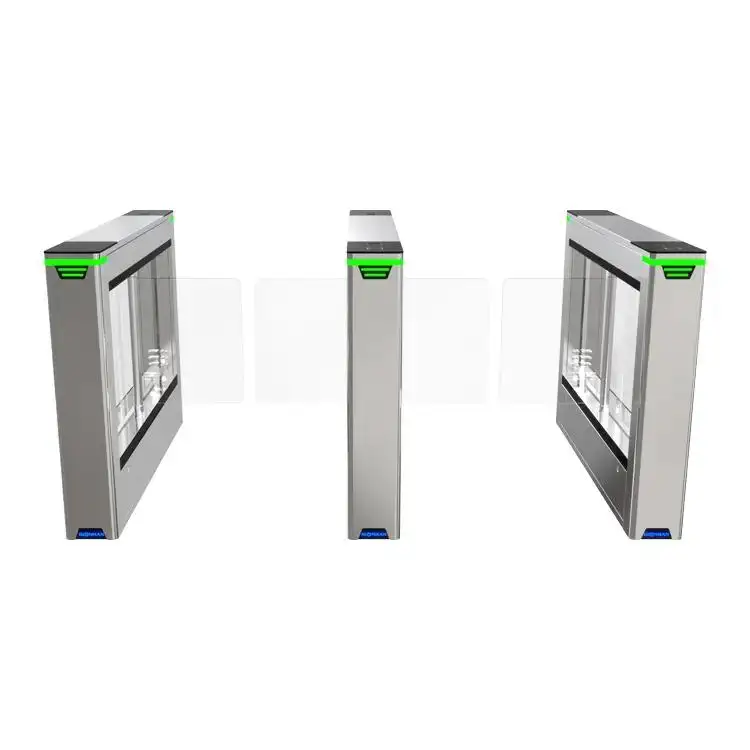
מחסומי פלפים מכסים את תרחיש הפריסה התאגידי הנפוץ ביותר. פאנלים ממונעים נשלפים בגובה המותניים משתלבים עם מערכי אינפרא-אדום רב-קרניים החוצים את כל עומק המעבר. קצב התפוקה מגיע עד 45 אנשים לדקה מבלי לוותר על דיוק גילוי.
למשרדי החברה, נקודות כניסה לקמפוס, ונקודות ביקורת מעבר שבהן גם מהירות וגם אכיפת המניעה משפיעות, השער מחסום עם מדש מתמודד היטב עם האיזון הזה. אפשרויות נתיבים רחבים, הפעלת מנוע DC שקט, ומערכי חיישנים מרובי קרניים באזור המעבר הופכים אותו לבחירה אמינה לסביבות שבהן מאות כניסות ביום.
AB Speed Gate נגד זנב
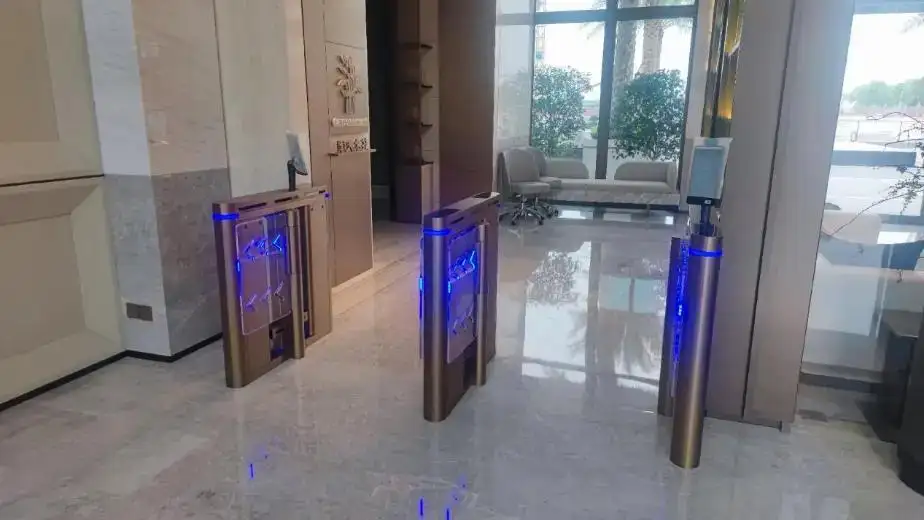
שערי מהירות AB מיישמים קצב תפוקה אופטי ללוגיקת אנטי-טיילגייטינג דו-אזורית ייעודית. הם מתאימים לסביבות שבהן אסתטיקה פרימיום וזיהוי חזק הם דרישה — אזורי VIP, משרדים פיננסיים, ולוביים תאגידיים יוקרתיים שבהם שער בגובה מלא אינו מתאים פיזית או אדריכלית.
שער ה-AB מכוון במיוחד לניסיון המעקב הצמוד. אזורים A ו-B פועלים באופן עצמאי, לתפוס תרחישים שבהם שערים חד-אזוריים סטנדרטיים מפספסים את המעקב הצמוד כי שני הגופים נרשמים כמעבר רציף אחד.
שער חצובה עם חיישני נגד זנב
שערי חצובה מספקים הרתעה פיזית בגובה המותניים בשילוב עם מערכי חיישני אינפרא-אדום. הם מתאימים לסביבות ביטחון בינוני — מפעלים, מרכזי כושר, קמפוסים של אוניברסיטאות, ומתקנים קהילתיים שבהם טיילגייטינג מהווה סיכון חברתי או אופורטוניסטי ולא איום אבטחתי גבוה.
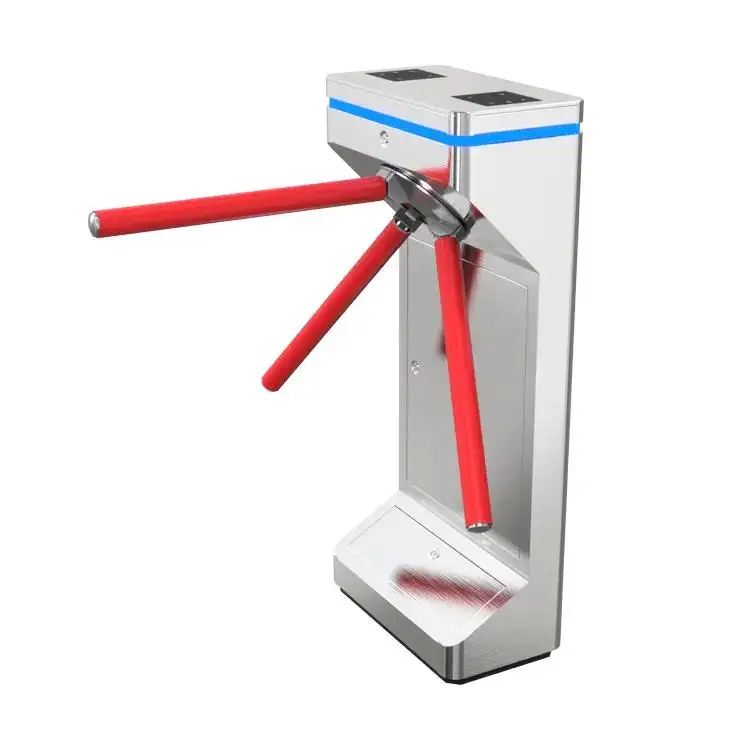
השער חצובה אוטומטי כולל זיהוי נגד טיילגייטינג המצויד בחיישנים כסטנדרט. החצובה מתומן משופע מציע קומפקט, פרופיל חסכוני בחלל תוך שמירה על אותה יכולת גילוי אינפרא-אדום לאורך אזור המעבר.
השוואת רמות הגנה נגד טיילגייטינג
| סוג שער | מחסום פיזי | זיהוי חיישנים | התנגדות לכניסה בכפייה | הסביבות הטובות ביותר |
|---|---|---|---|---|
| שער סיבוב נגד שער זנב בגובה מלא | פלדה מהרצפה עד התקרה | רב-קרניים + אזור כפול AB | הגבוהה ביותר | מרכזי נתונים, צבא, גבולות תעשייתיים |
| מחסום דפים | לוחות ממונעים בגובה מותניים | אינפרא-אדום רב-קרני | גבוה | לוביים תאגידיים, נמלי תעופה, קמפוסים |
| שער מהירות AB | לוחות זכוכית נשלפים | לוגיקת AB דו-אזורית | בינוני-גבוה | משרדים פיננסיים, אזורי VIP, לוביים פרימיום |
| שקן חצובה | שלוש זרועות מסתובבות (מותן) | קרן אינפרא-אדום יחידה או כפולה | בינוני | מפעלים, חדרי כושר, מתקנים חינוכיים |
גובה המחסום הפיזי ועומק הגילוי שניהם חשובים. זיהוי אלקטרוני לבדו לא יעצור פולש נחוש פיזית — ומחסום פיזי ללא חיישנים עדיין יכול להיפרץ על ידי איטיות, מטופל קרוב. הביצועים הגבוהים ביותרשער סיבוב נגד גייטינג פריסות משלבות את שתי השכבות.
תכונות מרכזיות שהופכות את שער הסיבוב נגד שער זנב לעבודה בפועל
בחירת סוג השער הנכון היא ההחלטה הראשונה. תכונות אלו קובעות האם הוא מתפקד באופן אמין בתנאי תפעול יומיומיים אמיתיים.
רב-קרניים לעומת. מערכי חיישנים חד-קרניים
חיישני קרן אחת מזהים נוכחות באזור אחד. מערכי רב-קרניים יוצרים רשת גילוי על פני עומק וגובה המעבר המלא. בסביבות עם תנועה גבוהה, חיישני קרן אחת מייצרים חיוביים שגויים במהלך חלונות כניסה עמוסים ומפספסים ניסיונות מעקב צמוד כאשר שני אנשים נמצאים במגע פיזי. לכל דבר רצינישער סיבוב נגד גייטינג פריסה, רב-קרניים הוא המפרט המינימלי — לא הדרגה הפרימיום.
טיימר נעילה מחדש אוטומטית
לאחר סריקת אישור תקפה, השער נפתח לחלון מוגדר. אם האדם המורשה לא מפנה את המעבר בחלון הזה, השער נסגר ודורש סריקת אישור חדשה. בלי תכונה זו, משתמש לגיטימי איטי משאיר את השער פתוח מספיק זמן כדי שעוקב יוכל להחליק דרכו, אפילו עם חיישנים פעילים.
חיבור מערכת אזעקה ומצלמות אבטחה
זיהוי חשוב רק כאשר תגובה מגיעה לאחר מכן. תכונהשער סיבוב נגד גייטינג מתחבר לפלטפורמת ניהול האבטחה שלך דרך ריליי קשר יבש, RS485, או יציאת TCP/IP. כל אירוע זיהוי טיילגייטינג יוצר התראה עם חותמת זמן ו, בהגדרות מקושרות למצלמה, מפעיל קטע וידאו מוקלט הקשור לאירוע הספציפי. תכנן את החיבור בשלב המפרט — לא במהלך ההתקנה.
Fail-Safe מול Fail-Safe. תצורת אבטחת כישלון
במקרה של הפסקת חשמל או אזעקת אש, השער חייב להתנהג בצורה צפויה. מצב בטיחות פירושו שהשער נפתח, אפשר פינוי חופשי. Fail-secure פירושו שהשער ננעל, מניעת יציאה או כניסה לא מורשית במהלך אירוע. הגדר איזה מצב חל על כל מיקום שער ספציפי לפני הרכישה. בכניסה לבניין הראשי, בדרך כלל נדרש מצב בטיחות. במסדרון חדר שרתים מאובטח מאוד, כשל אבטחה עשוי להיות הבחירה הבטוחה יותר.
רוחב מעבר ועמידה בדרישות ADA
אכיפת האנטי-טיילגייטינג לא צריכה ליצור צוואר בקבוק יומי עבור משתמשים לגיטימיים. רוחבי נתיבים סטנדרטיים של 550 מ"מ עד 600 מ"מ מכסים את רוב הסביבות הארגוניות. נתיבים התואמים ל-ADA דורשים 900 מ"מ או יותר, בדרך כלל משרתת על ידי שער מתנדנד רחב או מחסום דלת רחב, המותקן לצד הצינור הראשישער סיבוב נגד גייטינג שורה. תכנן זאת במהלך הפריסה, לא במהלך השדרוג.
טעויות נפוצות בהגדרת שער נגד זנב
בחירת טכנולוגיית חיישנים על בסיס מחיר יחידה בלבד. חיישני קרן בודדת עולים פחות אך מפספסים את ניסיונות המעקב הצמוד, שהם סטטיסטית השיטה הנפוצה ביותר לטיילגייטינג. לכל סביבה עם חשיפה אמיתית לאבטחה, זיהוי דו-אזורי או רב-קרניים הוא המפרט המינימלי — לא התוספת הפרימיום.
הסתמכות על זיהוי אלקטרוני מבלי להתאים את המחסום הפיזי לרמת האיום. בכל סביבה שבה כניסה פיזית בכפייה היא ריאלית — היקפים חיצוניים, אתרים תעשייתיים, מסדרונות גישה למרכזי נתונים — גובה המחסום חייב להתאים לאיום. שערים בגובה המותניים מונעים טיילגייטינג מזדמן. שערים מהרצפה עד התקרה מונעים זאת פיזית. ההבחנה חשובה.
דילוג על תכנון חיבור אזעקה. אןשער סיבוב נגד גייטינג שמזהה פריצות אך שולח התראות לשום מקום אינו שלם. פלטי ממסר מגע יבש, חיבורים ל-RS485, ותאימות פלטפורמת תוכנה כולם צריכים להיות מאומתים בשלב המפרט, לפני הזמנת חומרה.
הערכת חסר של השפעת התפוקה. אכיפה מחמירה יותר נגד טיילגייטינג מאטה מעט את המעבר — כל מחזור גילוי חייב להסתיים במלואו לפני תחילת הבא. חישוב דרישות הקצב של שעות השיא לפני נעילת תזמון המחזור ורגישות החיישן. בסביבות עם נפח גבוה, מספר הנתיבים חשוב לא פחות מסוג השער. טעות בזה גורמת לכך שההשקעה שלך בניירות ערך גם יוצרת בעיית ניהול תור.
שאלות נפוצות: שערי סיבוב נגד שער זנב
מהו שער נגד טיילגייטינג?
אןשער סיבוב נגד גייטינג הוא שער הולכי רגל ממונע עם מערכי חיישנים אינפרא-אדומים ולוגיקת זיהוי שמאכפת מעבר של אדם אחד לכל אישור. כאשר אדם שני מנסה לעקוב אחרי משתמש מורשה, החיישנים מזהים את הפריצה, המחסום ננעל מחדש מיד, ואזעקה מופעלת למערכת האבטחה המחוברת.
איך טורנסטל נגד טיילגייטינג מזהה טיילגייטינג?
רוב המערכות משתמשות במספר זוגות קרני אינפרא-אדום לאורך כל אזור המעבר. אדם מורשה אחד שובר את הקרניים ברצף צפוי. גוף שני שנכנס לאזור לפני שהראשון עובר אותו לחלוטין משבש את הרצף הזה — השער ננעל מחדש תוך אלפיות שנייה. מערכות AB מתקדמות דו-אזוריות מפעילות שני אזורי גילוי עצמאיים, במיוחד ללכוד ניסיונות מעקב צמוד שחיישנים חד-אזוריים עלולים לפספס.
מהו סוג ה-turnstile הבטוח ביותר נגד שער זנב?
הגובה המלאשער סיבוב נגד גייטינג מספק את ההגנה החזקה ביותר. המחסום מהרצפה לתקרה מונע טיפוס או דחיפה דרכו. בשילוב עם זיהוי חיישנים רב-קרניים ולוגיקה דו-אזורית של AB, היא יוצרת אכיפה פיזית ואלקטרונית ביחידה אחת. מרכזי נתונים, אזורים צבאיים, גבולות תעשייתיים, ומתקנים ממשלתיים בעלי אבטחה גבוהה הם הסביבה העיקרית לסוג שער זה.
האם ניתן לחבר שער נגד טייגייט למערכות CCTV ואזעקה?
כן. רוב שערי האנטי-טייגייטינג המודרניים כוללים ממסר מגע יבש, RS485, או יציאות TCP/IP למערכות אזעקה וחיבורי מצלמה. כל אירוע זיהוי טיילגייטינג מייצר התראה עם חותמת זמן. בהגדרות מקושרות למצלמה, הוא גם יכול להפעיל מצלמות זוגיות להקליט אוטומטית את האירוע הספציפי, יצירת מסלול ביקורת שניתן לשחזור.
האם שערי נגד טיילגייטינג עובדים בסביבות עם נפח גבוה?
כן, עם התצורה הנכונה. גרסאות עם מחסום פלפים וגרסאות שער מהירות 30 ל 45 אנשים לדקה לכל נתיב תוך שמירה על דיוק גילוי. המפתח הוא התאמת תזמון המחזור והגדרות רגישות החיישנים לדפוסי תנועה בשעות השיא. בסביבות עם נפח גבוה מאוד, הוספת נתיבים היא לעיתים פרקטית יותר מאשר הקלה ברגישות לזיהוי — החלטת תצורה ש-Ironman Turnstile יכול להדריך אותך בה לפני הרכישה.
