


שער סיבוב בית הספר: איזה סוג שער מתאים לבית הספר שלך, קבוצת גיל הסטודנטים, ודרישות שמירה
2026-04-03


לרוב כניסות בתי הספר, שער הפנייה הנכון של בית הספר תלוי בשלושה דברים: סוג בית הספר, קבוצת הגיל הסטודנטיאלית, וספירת ההגעה בבוקר. מחסומי פלפל מטפלים בכניסות הראשיות לבתי ספר תיכוניים ובתי ספר בינלאומיים במהירות של 40–60 ppm לנתיב. שערי חצובה כבדים מטפלים בכניסות לבתי ספר יסודיים במהירות של 25–35 ppm לנתיב בעלות נמוכה יותר לכל שער.
נוסחת ספירת נתיבי ההגעה בבוקר: סך כל הסטודנטים המגיעים ÷ חלון שיא של 15 דקות ÷ שער = נתיבים נדרשים. לקבלת הסמכות ביומטריות בכל שער שמשרת תלמידים מתחתיו 18, הסכמת הורים בכתב נדרשת לפי סעיף ה-GDPR 9 לפני שהמערכת תתחיל לפעול.
מדריך זה מספק למנהלי בתי הספר, מנהלי מתקנים, מובילי שמירה ייעודיים (DSLs), וקבלני EPC - טבלת השוואת סוגי שערים, מדור התאמת תרחישים מסוג בית ספר, תכנון הגעה בבוקר, אפשרויות הסמכה לסטודנט לפי קבוצת גיל, תהליך ניהול מבקרים, הקשר שמירה, ודרך ישירה להצעת מחיר ישירה למפעל. לכל טווח שערי בית הספר והאוניברסיטה של איירונמן, נתחיל בדף פתרונות שערי קורה לבתי ספר ואוניברסיטאות.
סוגי שערי סיבוב בבית הספר — בהשוואה לפי קריטריונים ספציפיים לבית הספר
ארבעה סוגי שערים מכסים את דרישות הכניסה לבית הספר הראשי. כל אחד מתאים לסוג בית ספר ורמת אבטחה שונה. הטבלה למטה משווה אותם לפי הקריטריונים החשובים למפרט בית הספר.
| סוג שער | תפוקת | דירוג מזג אוויר | שמירה | אישור | הכניסה הטובה ביותר לבית הספר | טווח יחידות |
|---|---|---|---|---|---|---|
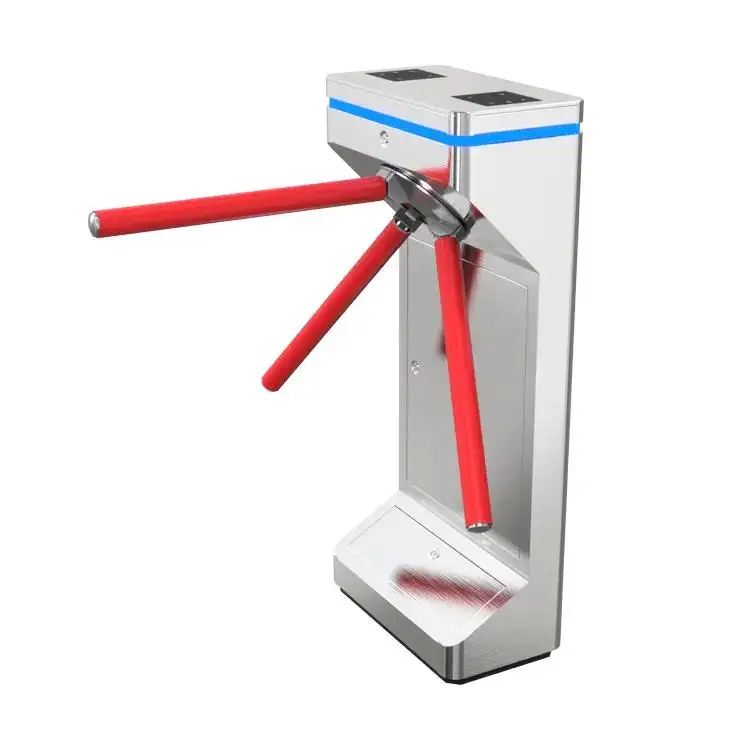
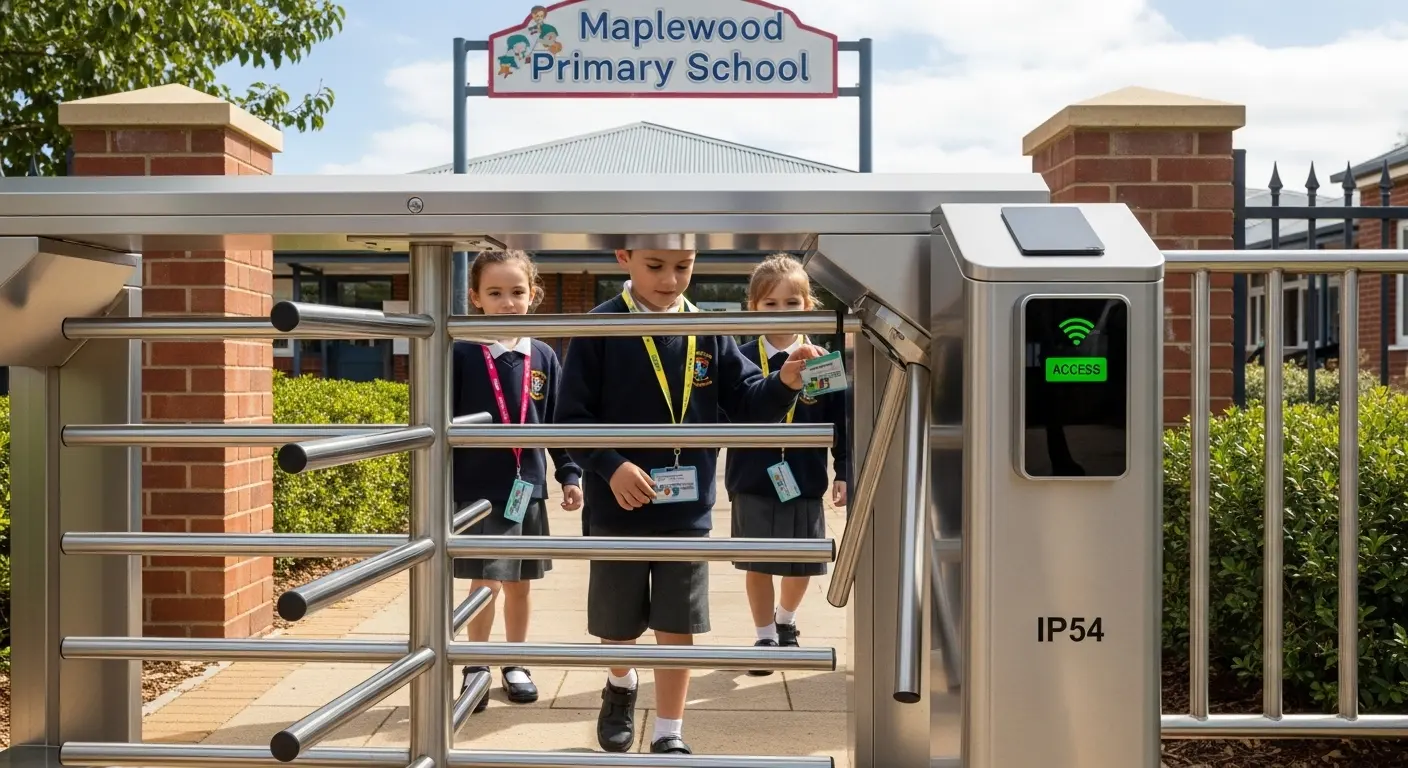
| חצובה כבדה | 25–35 ppm | IP44–IP54 | מכני אחד לכל מחזור | RFID, ברקוד, פנים | בית ספר יסודי, תקציב מוגבל | $200–1,400 דולר |
| מחסום פלפים | 40–60 חלקים למיליון | IP44–IP54 | חיישן + אזעקה | RFID, ברקוד, פנים | בית ספר תיכון, בית ספר בינלאומי | $450–3,000 דולר |
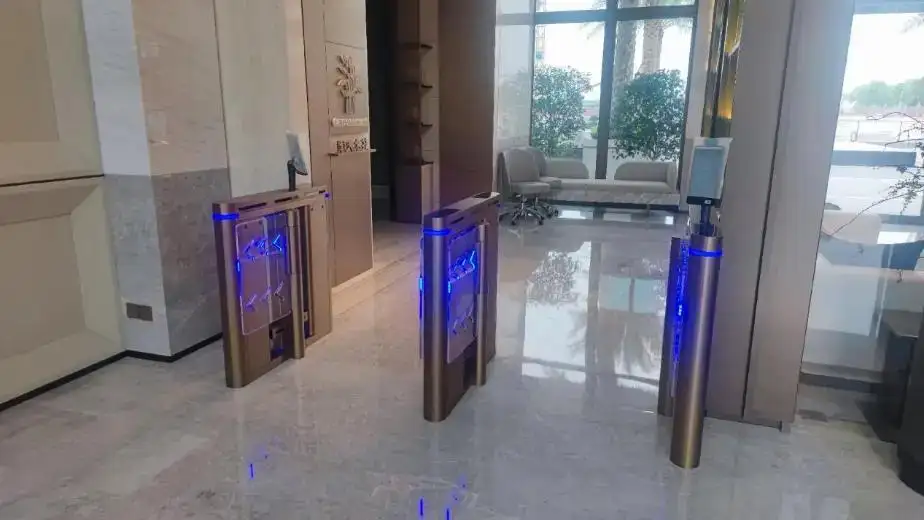
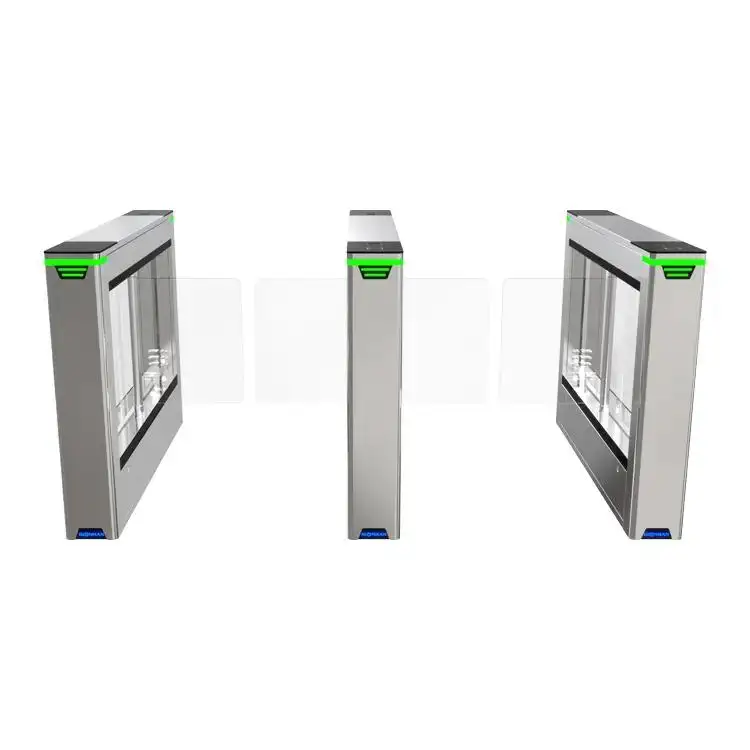
| שער מהירות זכוכית מחליק | 50–80 ppm | IP42–IP44 | חיישן + אזעקה | RFID, פנים, NFC | ניהול אוניברסיטה/מכללה או ספרייה | $1,300–8,000 דולר |
| שער בגובה מלא | 15–25 ppm | IP54–IP65 | כלוב פיזי | RFID, ביומטרי | אזורי קמפוס מוגבלים בלבד | $600–4,000 דולר |
חצובה ומחסום מדש — כניסות סטנדרטיות לבתי הספר
שער חצובה כבד הוא שער הכניסה לבית הספר הנפוץ ביותר בעולם. היא מחייבת כניסה של אדם אחד לכל אישור, תעריפים ב-IP44–IP54 עבור עמדות שער חיצוניות מכוסות בבתי ספר, ועלות 200–1,400 דולר לכל נתיב. דבר זה הופך אותו למפרט הסטנדרטי לבתי ספר יסודיים ולפרויקטים של כניסה לבתי ספר תיכוניים עם תקציב מוגבל. קצב העברת חצובה של 25–35 ppm לכל נתיב מטפל ברוב נפחי ההגעה של בתי הספר היסודיים והתיכונים הקטנים עם 2–3 נתיבים.
מחסומי פלפל הם השדרוג הנכון לבתי ספר תיכוניים ובתי ספר בינלאומיים עם אוכלוסיות הגעת בוקר גדולות יותר. ב-40–60 ppm, מחסום מדפים מספק כמעט כפול מהעברה של חצובה באותו רוחב נתיב. זה מקצר את תור ההגעה בבוקר מבלי לדרוש נתיבים נוספים.
שער מהירות וגובה מלא — אוניברסיטה ואזורים מוגבלים
שערי מהירות זכוכית מחליקים מתאימים לכניסות לבנייני אוניברסיטה ומכללות — במיוחד לספרייה, חסימת מנהל, ואגודת הסטודנטים, כאשר קצב התפוקה של 50–80 ppm מטפל בזינוק בין ההרצאות. לתצורת איירונמן ברמת אוניברסיטה, ראו אתדף מוצר שער זכוכית מחליק.
שערי כניסה בגובה מלא שמורים לאזורי קמפוס מוגבלים — כניסה לפנימייה ונקודות גישה מוגבלות באולם הבחינות. הם אינם מתאימים לכניסה הראשית של בית הספר הסטנדרטי. התפוקה שלהם נמוכה מדי, והפרופיל הפיזי שלהם יוצר סביבה לא מתאימה לתלמידים צעירים.
התאימו את שער הסיבוב של בית הספר לסוג בית הספר שלכם
סוג השער חייב להתאים לסוג בית הספר ולקבוצת הגיל של התלמידים — לא רק למספר העובדים. הטבלה למטה נותנת המלצה ישירה לכל סוג בית ספר.
| סוג בית ספר | שער מומלץ | נתיבים | אישור | דרישת מפתח |
|---|---|---|---|---|
| בית ספר יסודי | חצובה כבדה | 2–4 | צמיד או כרטיס RFID | שמירה, אישור פשוט, עלות נמוכה |
| בית ספר תיכון | מחסום דפים | 2–6 | כרטיס RFID או זיהוי פנים | תפוקה גבוהה, אנטי-טיילגייטינג |
| בית ספר בינלאומי | מחסום מדפים או שער מהירות | 2–6 | RFID, פנים, ברקוד | ניהול מבקרים, רב-שפה |
| אוניברסיטה / מכללה | שער מהירות או מחסום פלפל | 2–8 | תעודת סטודנט, NFC, פנים | רב-אזורים, אינטגרציה עם ספרייה |
| פנימייה | מחסום דפים (ראשי) + גובה מלא (מעונות) | 2–4 | RFID או ביומטריה | 24/7 מבצע, סגר אחרי שעות הפעילות |
בתי ספר יסודיים ותיכוניים
בתי ספר יסודיים זקוקים לתעודה הפשוטה ביותר שילד קטן יכול להשתמש בה באופן אמין תחת לחץ חברתי של עומס בוקר. כרטיס RFID הנלבש על שרוך או תג RFID פועל מבלי שהילד יצטרך לעצור, אוריינט א קלף, או לחכות לזיהוי פנים. בהתבסס על חוויית הפריסה שלנו בבית הספר היסודי, שרוך כרטיס RFID בטווח קריאה של 30–35 מ"מ הוא הסמכה האמינה ביותר לבית הספר היסודי — התלמיד הולך דרך נתיב החצובה מבלי להפסיק את הצעד.
בתי הספר התיכוניים נוסעים לכיוון מחסומי דלתות במקום שערי חצובה. ההבדל בקצב התפוקה חשוב מתי 800 התלמידים מגיעים 20 דקות. ב 30 ppm לכל נתיב חצובה לעומת 50 ppm עבור נתיב המדפים, בית ספר תיכון זקוק לפחות נתיבי מחסום עם מדפים כדי לפנות את אותו נפח הגעה. זיהוי פנים בכניסות לבתי ספר תיכוניים גדל בפריסות בינלאומיות — הוא מסיר את התלות בכרטיס ומקשר ביומטרית את אירוע הכניסה לזהות מאומתת.
בתי ספר ואוניברסיטאות בינלאומיים
בתי ספר בינלאומיים זקוקים למערכת שערים שמטפלת בנפח יומי גבוה יותר של תנועת הורים, ממשקי שפה מרובים, וברקוד או כרטיסי ביקור QR. מחסום עם קורא ברקוד/QR בנתיב המבקרים — וכרטיס RFID או זיהוי פנים בנתיבי הסטודנטים — מכסים את שלושתם מנקודת שער אחת. לגבי תצורת אישור הברקוד המשמשת בפריסות ניהול מבקרים בבתי ספר בינלאומיים, ראו אתעמוד שער הטורבייל בברקוד.
קמפוסים של אוניברסיטאות ומכללות זקוקים לאסטרטגיית שערים רב-אזוריים. שער מהירות בכניסה הראשית לסטודנטים מתמודד עם שיא שיא החלפת ההרצאות. מחסומי דפים בכניסות לבנייני הסגל וההנהלה מטפלים בתנועה נמוכה אך רציפה של צוותים ומבקרים. לפריסה אמיתית בקמפוס אוניברסיטה, ראו את האיירונמןמחקר מקרה בקמפוס חכם.
שמירה על שערי סיבוב בית הספר — מה שהשער חייב לעשות
שער סיבוב בית ספר תומך בהגנה על ידי ביצוע שלוש פונקציות אוטומטית — ללא הסתמכות על מודעות הצוות או ניטור ידני בשער.
שלוש פונקציות שמירה שכל שער בית ספר חייב לבצע
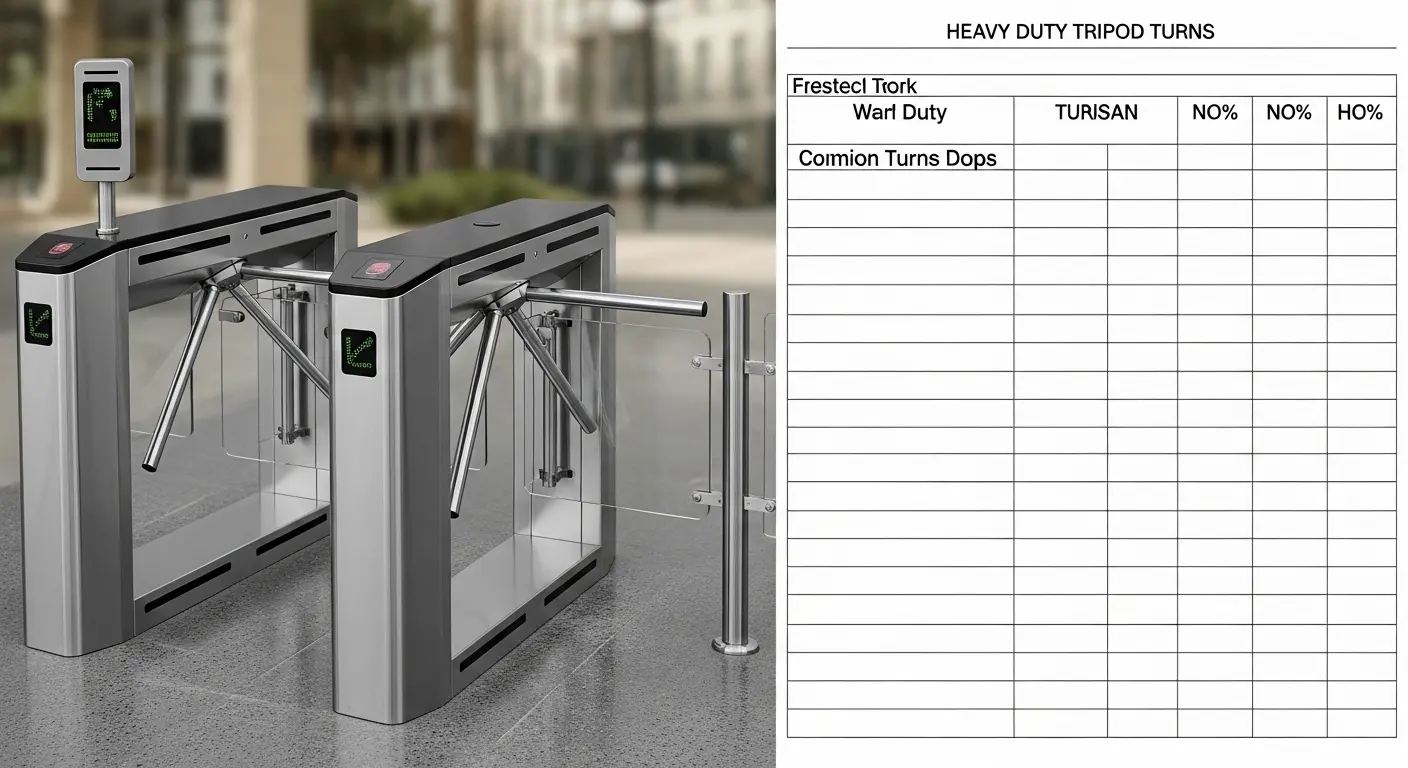
כניסה של אדם אחד לכל אישור: השער אוכף מבחינה מכנית או חיישן אישור מורשה יחיד לכל מחזור שער. אין אישור תקף פירושו שאין כניסה. מבוגר לא מורשה לא יכול לעקוב אחרי תלמיד דרך השער מבלי להפעיל אזעקה.
מסלול ביקורת כניסה עם חותמת זמן: כל אירוע כניסה רושם חותמת זמן וזהות אישור. זה יוצר את רשומת ההרשמה הנדרשת להגנה על תהליכי הסקירה. היא גם תומכת בחקירה לאחר אירוע עבור כל דאגה רווחית הקשורה לגישה.
הפרדה בניהול מבקרים: מבקרים — הורים, קבלנים, וצוות המשלוחים — אל תשתמשו בנתיב ההסמכה של הסטודנטים. הם משתמשים בערוץ מבקר נפרד שדורש צ'ק-אין מוקדם עם הקבלה, הצגת תעודת זהות, ואישור מוגבל לזמן שהונפק רק לאחר הרישום.
שמירה על הקשר של עמידה בדרישות
תחת חוק שמירה על בטיחות הילדים בחינוך בבריטניה (KCSIE) מסגרת, בתי הספר חייבים לנהל את הגישה לאתר ולהגן על התלמידים מפני מגע לא מורשה. שער כדורי בית ספר עם שלוש הפונקציות הנ״ל מספק את שכבת בקרת הגישה הפיזית התומכת בדרישה זו בכניסה.
לגבי פריסת הגישה לספרייה ולאזור הקמפוס שמרחיבה את מודל ההגנה הזה על פני קמפוס מלא, ראו את האיירונמןמחקר מקרה שער הטורנסטל של הספרייה.
תכנון קצב הגעה בבוקר לשערי פניות בית הספר
ציון נמוך של מספר הנתיבים הוא הטעות הנפוצה ביותר במפרט שער הכניסה של בתי הספר. תור הגעה ברמת הרחוב בכניסה לבית הספר הוא בעצמו חשיפה להגנה — תלמידים ממתינים ללא השגחה על מדרכה ציבורית בטווח ראייה לשער בית הספר.
נוסחת ספירת נתיב ההגעה בבוקר:
נתיבים = סך כל הסטודנטים המגיעים ÷ חלון ההגעה (דקות) ÷ שער ppm
דוגמה 1 — בית ספר יסודי, 400 סטודנטים, חצובה ב 30 ppm, 20-חלון דקות:
400 ÷ 20 = 20 רשומות/דקה. 20 ÷ 30 = 0.67 נתיבי →2 מסלולי חצובה (כולל רזרב אחד לפסגה).
דוגמה 2 — בית ספר תיכון, 800 סטודנטים, מחסום מדפים ב- 50 ppm, 15-חלון דקות:
800 ÷ 15 = 53 רשומות/דקה. 53 ÷ 50 = 1.07 נתיבי →2 נתיבי מחסום עם מדפים עוד 1 שביל המבקרים.
| גודל בית הספר | תלמידים שמגיעים | חלון | סוג שער | נתיבים נדרשים |
|---|---|---|---|---|
| פריימריז קטנים | 200 | 20 מינימום | חצובה | 1 + מבקר |
| בחינה ראשונית בינונית | 400 | 20 מינימום | חצובה | 2 |
| משני גדול | 800 | 15 מינימום | מחסום דפים | 2 + מבקר |
| בית ספר בינלאומי | 1,000 | 20 מינימום | מחסום דפים | 2–3 + מבקר |
| בניין האוניברסיטה | 1,500 | 10 מינימום | שער מהירות | 3–4 |
בהתבסס על ניתוח הפריסה שלנו בקמפוס, 85% התלמידים מגיעים בתוך 15–18 הדקות הראשונות מחלון ההגעה. שימוש 15 פרוטוקול כמספר תכנון לבתי ספר תיכוניים ואוניברסיטאות שבהם דפוסי ההגעה המאוחרים פחות עקביים.
אפשרויות הסמכת סטודנט לפי קבוצת גיל
סוג ההסמכה חייב להתאים לגיל ולרמת המיומנות המוטורית של התלמיד — לא רק להעדפת הטכנולוגיה של בית הספר. מערכת זיהוי פנים ביומטרית שעובדת בצורה מושלמת לילד בן 16 יוצרת בעיות תפעוליות אמיתיות לילד בן 6 במהלך הגעה עמוסה בבוקר.
| קבוצת גיל | הסמכה מומלצת | הסיבה | הערת GDPR |
|---|---|---|---|
| ראשי (5–11) | שרשרת כרטיס RFID או רצועת יד RFID | אמין, אין בעיית זריזות, אין נתונים ביומטריים שנשמרו | אין צורך בהסכמה |
| משני (11–18) | כרטיס RFID או זיהוי פנים | כרטיס הוא סטנדרטי; זיהוי פנים מוסיף קישור זהות ביומטרי | ביומטרי = אמנות GDPR. 9 — הסכמת הורים בכתב נדרשת |
| אוניברסיטה / מכללה | תעודת סטודנט (NFC/RFID), NFC נייד, QR | הסטודנטים מנהלים את ההסמכה שלהם בעצמם | הסכמת הסטודנטים (18+) מספיק |
⚠ הערת GDPR: נתונים ביומטריים — טביעות אצבע ותבניות זיהוי פנים — הם נתוני קטגוריה מיוחדת תחת סעיף GDPR 9 (אנחנו) ו-GDPR בבריטניה (ICO). לסטודנטים מתחת 18 בבריטניה, נדרש הסכמה בכתב מההורים לפני שמערכת ההסמכה הביומטרית נכנסת לאוויר. בתי ספר שהפעילו מערכות ביומטריות ללא קבלת הסכמה נדרשו על ידי ה-ICO הבריטי להסיר או להשעות את המערכת. ודאו שמסמכי ההסכמה שלמו לפני ציון הסמכות ביומטריות לכל תלמיד שער בית ספר שמשרת תלמידים מתחתיהם 18.
עבור קנית חצובה אוטומטית עם תצורת אישור RFID המשמשת בפריסות סטנדרטיות של בתי ספר יסודיים ותיכוניים, ראו אתדף מוצר של חצובה אוטומטית.
ניהול מבקרים בבית הספר דרך שער סיבוב
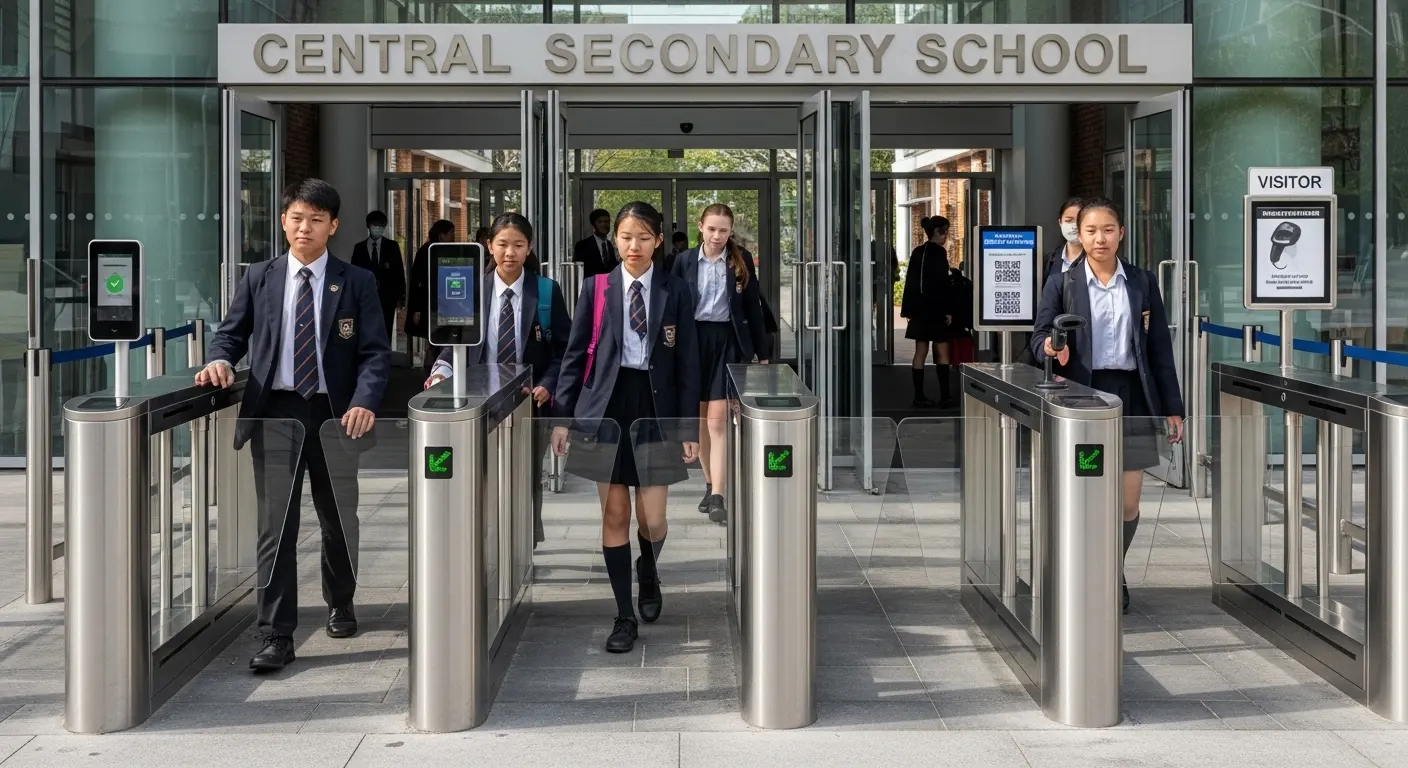
ניהול מבקרים בשער הכניסה של בית הספר דורש נתיב נפרד וערוץ אישור נפרד. תנועת הורים ומבקרים אסורה לעולם להתערבב עם זרימת ההסמכה של התלמיד במהלך שיאי ההגעה והפיטורין.
תהליך ניהול מבקרים בארבעה שלבים
- רישום מוקדם: המבקר מזמין או מקבל הזמנה מראש. המזכירה רושמת מראש את הביקור במערכת בקרת הגישה, יצירת קוד QR מוגבל בזמן או כרטיס ביקור בברקוד.
- צ'ק-אין בקבלה: עם ההגעה, המבקר מציג תעודת זהות שהונפקה על ידי הממשלה בקבלה. בית הספר בודק את תעודת הזהות מול רשימת הנאסרים שלו ו-, בפריסות רבות, נגד רישומי עברייני מין לאומיים לפי שיטות ניהול מבקרים מיטביות של K–12.
- כרטיס ביקור שהונפק: מונפק כרטיס ביקור מודפס או נייד של QR/ברקוד — תקף רק לחלון הביקור, לדוגמה 09:00–11:00 באותו יום.
- גישה לשער קורה: המבקר מציג את כרטיס ה-QR/ברקוד בקורא נתיב המבקרים בשער הפנייה של בית הספר. השער מאשר את המעבר מול חלון הזמן ומעניק אירוע גישה עם כניסה בודדת.
בהתבסס על הניסיון שלנו בפריסת בתי ספר בינלאומיים, כרטיסי ביקור בקוד QR מסירים את עומס ניהול הכרטיסים בקנה מידה גדול. מערכת רישום הביקור יוצרת ושולחת את הכרטיס לנייד של המבקר. השער מאשר אותו עם ההגעה ללא מעורבות הצוות בעמדת השער עצמה.
קבלת הצעת מחיר ישירה מהמפעל לשער הפנימי של בית הספר שלך
ארבעה פריטים מספיקים להצעת מחיר מלאה ומפורטת ישירות מהמפעל בתוך 12 שעות פעילות.
- הגדר את סוג בית הספר ואת אוכלוסיית התלמידים שלך: ראשי / משני / בינלאומי / אוניברסיטה + סך ההרשמה ומספר העובדים בבוקר לכל כניסה
- חשב את מספר הנתיבים שלך: סך כל הסטודנטים המגיעים ÷ חלון של 15 דקות ÷ שער ppm = נתיבים, בנוסף, נתיב ניהול מבקרים אחד לכל כניסה
- אשר את סוג ההסמכה וסטטוס ה-GDPR: RFID עבור ראשי, RFID או ביומטרי לתיכון — וודא שיש מסמכי הסכמת הורים לפני ציון הסמכות ביומטריות לתלמידים תחת 18
- הגישו את תדריך הפרויקט שלכם: בקרו ב דף שער בקרת גישה לקמפוס — קבל הצעת מחיר מפורטת ישירות במפעל בתוך 12 שעות פעילות, עם CE, ISO9001, ה-FCC, ומסמכי הסמכת RoHS כלולים
שאלות נפוצות
שאלה 1: איזה סוג שער סיבוב הכי מתאים לכניסה לבית הספר?
לכניסה הראשית לבית הספר היסודי, שער חצובה כבד הוא המפרט הסטנדרטי — מחייב מכנית כניסה של אדם אחד לכל אישור, IP44–IP54 לתפקידים חיצוניים מקורים, ועלות 200–1,400 דולר לכל נתיב. לבית ספר תיכון או בית ספר בינלאומי, הכניסה הראשית, מחסום מדפים הוא המפרט הטוב יותר — תפוקה של 40–60 ppm מתמודדת עם 800–1,000 תלמידים בחלון הגעה בוקר של 15–20 דקות בצורה אמינה יותר מחצובה מבלי להוסיף נתיבים נוספים. לכניסות לבנייני אוניברסיטה ומכללות, שער זכוכית במהירות החלקה במהירות 50–80 ppm מתמודד עם הגל בין ההרצאות תוך הצגת גרסה מודרנית, פרופיל עם מחסום נמוך המתאים לאוכלוסיית סטודנטים בוגרים.
שאלה 2: איך שער סיבוב בית ספר מסייע בהגנה?
שער סיבוב בית ספר תומך בהגנה על ידי אכיפת כניסה פיזית של אדם אחד לכל אישור — מבוגר לא מורשה לא יכול לעקוב אחרי תלמיד דרך השער מבלי להפעיל אזעקה. כל אירוע כניסה מתועד עם חותמת זמן וזהות אישור, יצירת מסלול הביקורת הנדרש לשמירה על תהליכי הביקורת. הגישה למבקרים מנוהלת דרך נתיב נפרד באמצעות כרטיס ביקור מוגבל בזמן או ברקוד, הונפק רק לאחר רישום תעודת זהות בקבלה. במסגרת KCSIE הבריטית, שכבת בקרת גישה פיזית זו עומדת בדרישה לנהל גישה לאתר ומגנה על הסטודנטים מפני מגע לא מורשה.
שאלה 3: איזו תעודה צריכה שער בית ספר להשתמש לתלמידי בית ספר יסודי?
תלמידי בית ספר יסודי בגילאי 5–11 צריכים להשתמש ברצועה של כרטיס RFID או ברצועה RFID כתעודת שער סיבוב בית ספרית. אלה פועלים בטווח קריאה של 30–35 מ"מ — הילד הולך דרך נתיב החצובה מבלי לעצור או לכוון את הכרטיס. הסמכות ביומטריות (טביעות אצבע, זיהוי פנים) אינם מומלצים לתלמידי בית ספר יסודי משתי סיבות: הם שומרים נתוני קטגוריה ביומטרית מיוחדת הדורשים הסכמה כתובה של ההורים לפי סעיף ה-GDPR 9, וזמן העיבוד לילדים קטנים פחות עקבי מ-RFID בתנאי הגעה בלחץ גבוה בבוקר.
שאלה 4: כמה נתיבי כיתובים בית ספר צריך לעומס ההגעה בבוקר?
השתמש בנוסחה הזו: סך כל הסטודנטים שמגיעים ÷ חלון שיא ההגעה (דקות) ÷ תפוקה של שער (ppm) = נתיבים. לבית ספר תיכון עם 800 סטודנטים, חלון הגעה של 15 דקות, ומחסומי פלפים ב- 50 ppm: 800 ÷ 15 = 53 כניסות/דקות ÷ 50 ppm = 1.1 נתיבים — ספציפיים 2 נתיבי מחסום פלוס 1 שביל המבקרים. לבית ספר יסודי עם 400 סטודנטים, חלון של 20 דקות, וחצובות ב- 30 ppm: 400 ÷ 20 = 20 כניסות/דקות ÷ 30 ppm = 0.67 נתיבים — ספציפיים 2 מסלולי חצובה. תמיד הוסיפו מסלול ניהול מבקרים נפרד ממסלולי ההסמכה של הסטודנטים.
שאלה 5: האם ה-GDPR חל על שערי קורה ביומטריים בבתי ספר?
כן. נתונים ביומטריים — טביעות אצבע ותבניות זיהוי פנים — מסווגים כנתוני קטגוריה מיוחדת לפי סעיף GDPR 9 (אנחנו) ו-GDPR הבריטי כפי שמנוהל על ידי ה-ICO. לסטודנטים מתחת 18 בבריטניה, נדרש אישור בכתב של ההורים לפני שכל מערכת הסמכה ביומטרית מופעלת בשער הפנימי של בית הספר. בתי ספר שהפעילו מערכות ביומטריות ללא הסכמת ההורים נדרשו על ידי ה-ICO הבריטי להסיר או להשעות את המערכת בעקבות תלונת הגנת מידע. לתלמידים בגיל 18 ועוד מעל (אוניברסיטה/מכללה), הסכמתו הכתובה של הסטודנט מספיקה.
שאלה 6: איך מנהלים גישה של הורים ומבקרים דרך שער בית ספר?
ניהול מבקרים בשער הכניסה של בית הספר דורש נתיב ייעודי למבקרים עם קורא ברקוד/QR, נפרד ממסלולי ההסמכה ב-RFID של הסטודנטים. התהליך עוקב אחרי ארבעה שלבים: הרשמה מוקדמת על ידי צוות הקבלה של בית הספר, בדיקת תעודת זהות מול רשימת האנשים האסורים ורשימת עברייני המין של בית הספר עם ההגעה, הנפקת כרטיס ביקור מוגבל בזמן ל-QR/ברקוד, ואימות שער של המעבר בקורא שביל המבקרים. הכרטיס תקף רק לחלון הביקור הרשום מראש. זה שומר על תנועת המבקרים מחוץ לזרימת התעודות של הסטודנטים בשיא ההגעה והפיטורין ושומר על מסלול ביקורת שמירה על כל אירוע כניסת מבקרים.
שלוש החלטות שמגדירות את מפרט שער הכניסה של בית הספר שלך
סוג השער תואם לסוג בית הספר ולגיל התלמיד, ספירת נתיבי ההגעה בבוקר מחושבת לפי נוסחת התפוקה, ומסמכי הסכמת הורים ב-GDPR מאושרים לפני כניסת המערכת הביומטרית — שלוש ההחלטות הללו קובעות האם שער קורה של בית הספר עומד הן בדרישה להגנה והן בדרישה התפעולית ביום הראשון של הסמסטר.
איירונמן מייצרת שערי פנייה ישירים לבתי ספר לבתי ספר יסודיים, בתי ספר תיכוניים, בתי ספר בינלאומיים, קמפוסים של אוניברסיטאות, ופנימיות ברחבי העולם 50+ מדינות. הגישו את סוג בית הספר שלכם, מספר תלמידים, ותדריך הכניסה דרךדף פתרונות שערי קורה לבתי ספר ואוניברסיטאות לקבלת הצעת מחיר מפורטת מלאה ישירות במפעל בתוך 12 שעות פעילות.
