


שער סיבוב התחנה: איזה סוג שער מתאים לתחנה שלך, מערכת AFC, ודרישת תפוקה
2026-04-05


לתחנת רכבת או רציף מטרו בנפח גבוה, שער הפנייה הנכון של התחנה הוא מחסום מדש לנתיבי נסיעה סטנדרטיים ושער מהירות חכם לפרימיום, קצה עם תפוקה גבוהה. שניהם מספקים 40–80 ppm לנתיב, אינטגרציה מלאה של כרטיסים ל-AFC, ועמידות ל-IP חיצוני המתאים לסביבת תחנת תחבורה ציבורית. לפי NFPA 101 קוד בטיחות חיים, כל שער תחנה בשביל יציאה ייעודי חייב להיפתח בטיחות בתוך 3 שניות על אזעקת אש או אובדן חשמל.
מדריך זה מספק לקציני רכש לרשויות תחבורה, מנהלי פרויקטים בתחנה, אינטגרטורים של מערכות AFC, וקבלני EPC - טבלת השוואת סוגי שער לפי קריטריונים ספציפיים לתחבורה, מקטע התאמת תרחישים בתחנה, נוסחת תפוקת העברה של אירוע חי, מטריצת אינטגרציה של AFC, הנחיות לדירוג קניין רוחני חיצוני, דרישות ADA, ודרך ישירה להצעת מחיר ישירה למפעל. נתחיל עם טווח השער של תחנת איירונמן בעמוד שער הולכי רגל של תחנת הרכבת.
סוגי שערי סיבוב בתחנה — בהשוואה לפי קריטריונים ספציפיים לתחבורה
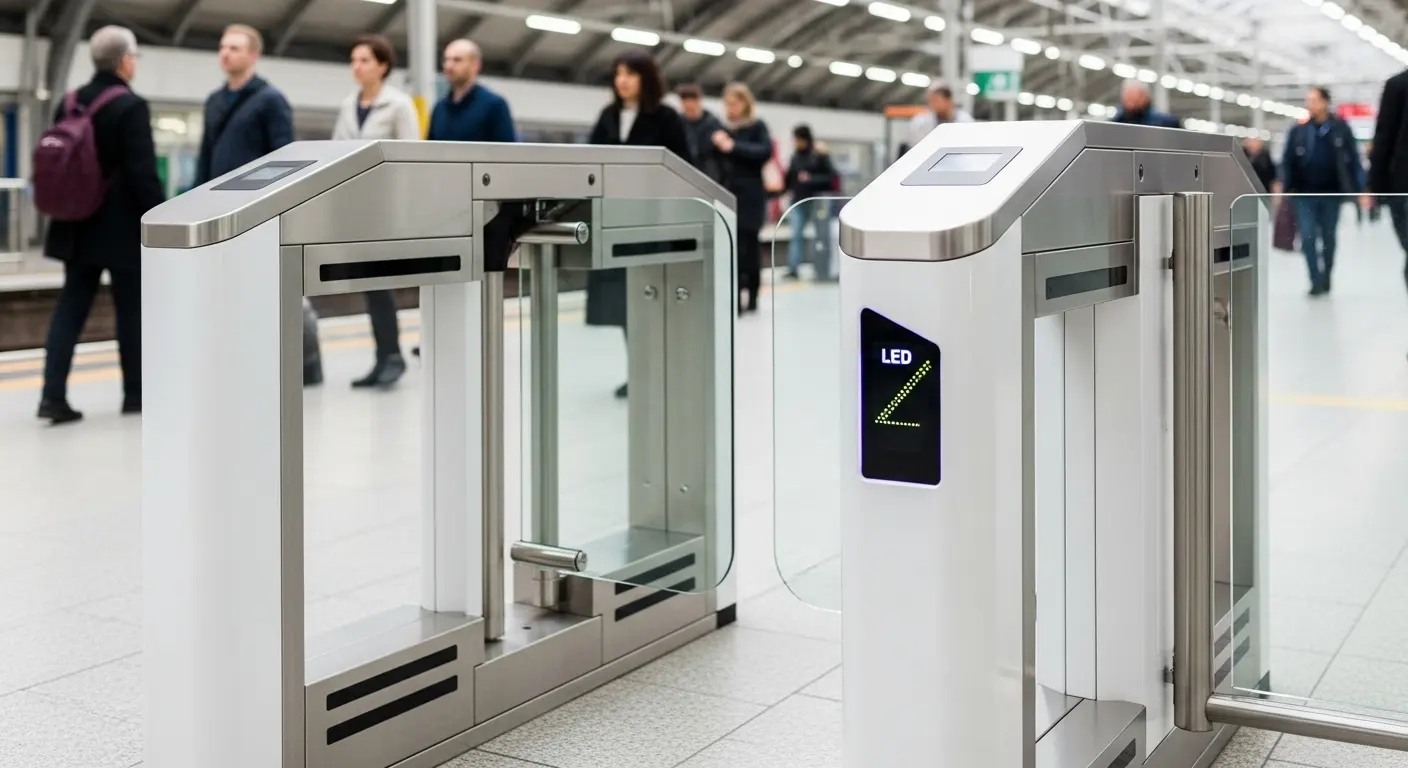
חמישה סוגי שערים מכסים את כל מגוון סביבות התחנה. כל אחת מתאימה לפונקציית תחנה שונה, עומס תפוקה, ודרישת חוסן חיצוני. הטבלה למטה משווה אותם לפי הקריטריונים החשובים למפרט תחבורה ציבורית.
| סוג שער | תפוקת | אינטגרציה עם AFC | קניין רוחני חיצוני | עדה / מעבר רחב | אכיפת תשלום | הקשר התחנה הטוב ביותר | טווח יחידות |
|---|---|---|---|---|---|---|---|
| מחסום פלפים | 40–60 חלקים למיליון | RFID, QR, EMV, NFC | IP54 / אופט IP65. | גרסה רחבה לנתיב | גבוה | רציף הרכבת, נתיב מטרו סטנדרד | $450–3,000 דולר |
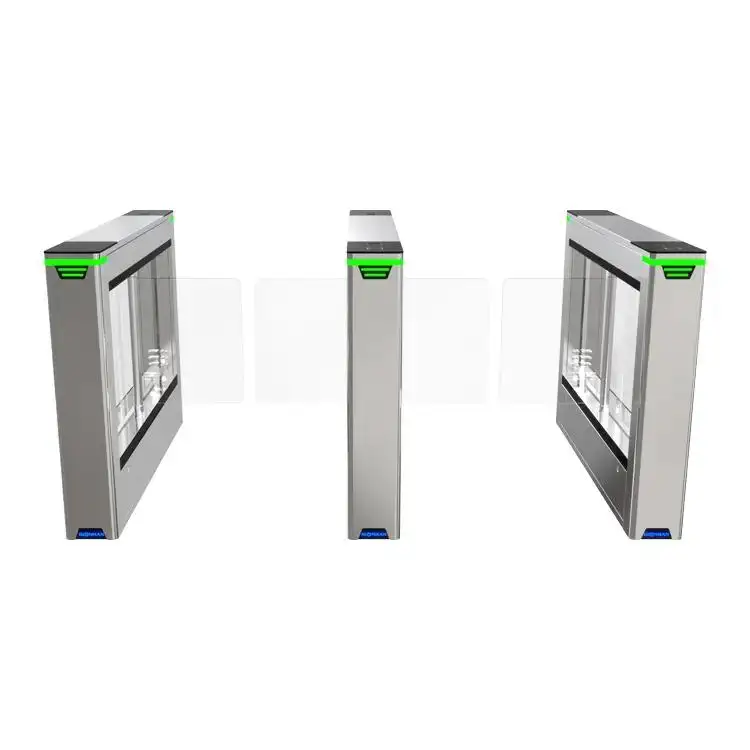
| שער מהירות חכם | 50–80 ppm | RFID, QR, EMV, NFC, ביומטרי | IP54 | גרסה רחבה לנתיב | בינוני | תחנת פרימיום, תחנת תפוקה גבוהה | $1,300–8,000 דולר |
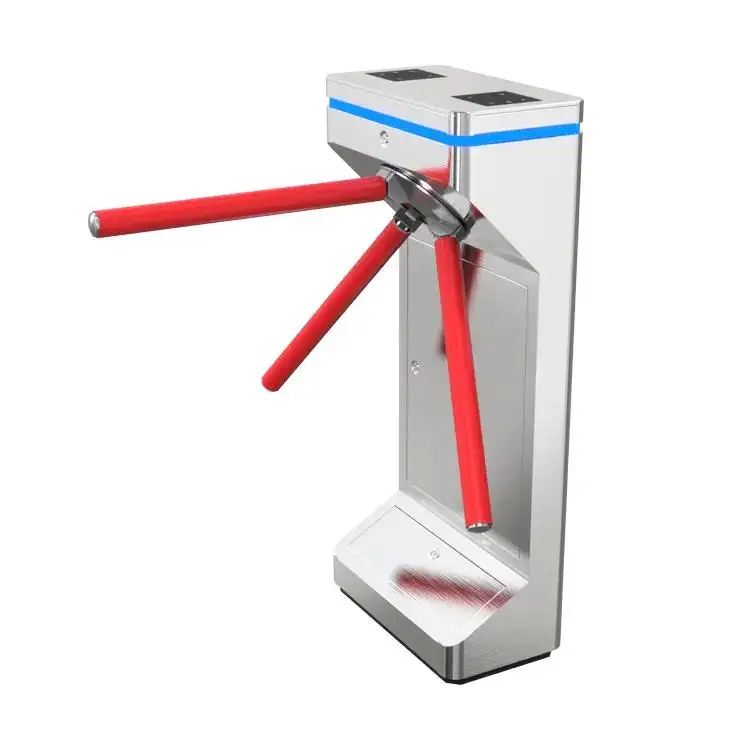
| טרנסטל חצובה | 25–40 ppm | RFID, QR, ברקוד | IP54 | נתיב ADA נפרד | בינוני | כניסה משנית, BRT, שדרוג תקציבי | $200–1,200 דולר |
| שער בגובה מלא | 20–30 ppm | RFID, ביומטרי | IP65 | נתיב ADA נפרד | מקסימום | פלטפורמה חיצונית בלתי מאוישת, ההיקף | $600–4,000 דולר |
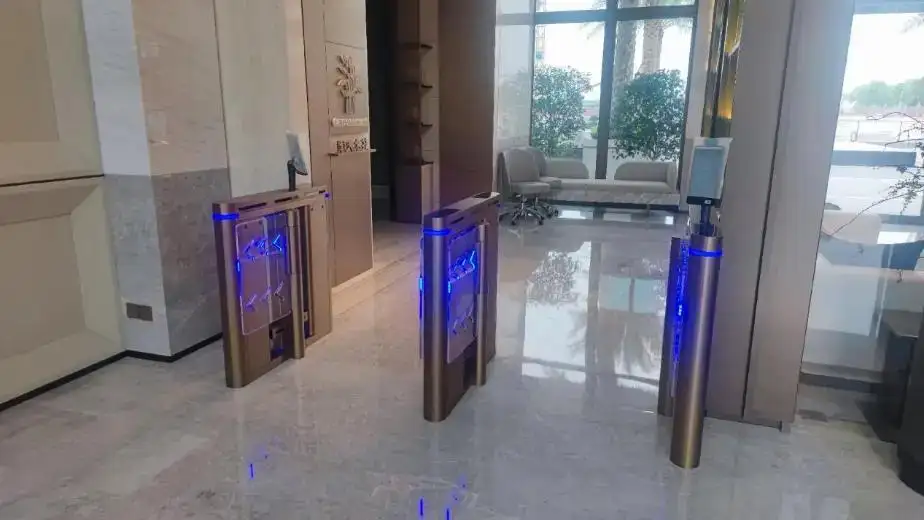
| שער הזזה מזכוכית | 30–50 ppm | RFID, QR, NFC | IP54 | גרסה רחבה לנתיב | בינוני | מזנון פרימיום, טרמינל עירוני | $800–4,000 דולר |
מחסום מדפים ושער מהירות חכם — נתיבי נסיעה בתחנה בנפח גבוה
מחסום המדפים הוא שער הסיבוב הסטנדרטי של התחנה לנתיבי נסיעה בנפח גבוה ברכבת ובתחנת מטרו. ב-40–60 ppm לנתיב, הוא עובר את שיא הנוסעים במהלך אירוע מגורים ברכבת ללא יצירת תור. מערכת האנטי-טיילגייטינג המבוססת על חיישנים מפעילה אזעקה לפני שאדם שני מסיים את המעבר — ומשלבת אכיפת תשלום פיזית ואלקטרונית מעבר למה שזרוע חצובה מספקת לבדה.
שער המהירות החכם מתאים לסביבות תחנות רכבת בעלות תפוקה גבוהה ולסביבות תחנות עירוניות פרימיום. ב-50–80 ppm וזמן פתיחה של 0.2 שניות, הוא מעבד את נפחי הנוסעים השיא מהר יותר מכל סוג שער אחר בגובה מותניים. לשער המהירות החכם Ironman המשמש בפריסות תחנות פרימיום, ראו אתדף שער מהירות חכם.
חצובה וגובה מלא — משרות תחנות משניות וחיצוניות
שערי חצובה נותרו שער התחנה היעיל ביותר לכניסות משניות, משרות שדרוג תקציבי, ונתיבי BRT סטנדרטיים. במחיר של 200–1,200 דולר לנתיב ו-25–40 חלקים למיליון, הם מספקים אינטגרציה של RFID/QR AFC בעלות ההון הנמוכה ביותר לכל נתיב. נדרש נתיב עקיפה נפרד לצד כל גדת שער חצובה.
שערי כניסה בגובה מלא מתאימים לעמדות תחנות חיצוניות בלתי מאוישות — היקפי רציפים חשופים, כניסות משניות לא מאוישות, וגבולי מחסומי תעריף הדורשים שליטה פיזית בגישה. דירוג ה-IP65 החיצוני ופרופיל הכלוב הפיזי שלהם מבטלים קפיצה במקומות ללא השגחה. עבור ה-Ironman עם חצובה מתומן מוטה, המשמש בפריסות תחנות תקציביות, ראו אתעמוד חצובה מתומן משופע.
שער סיבוב תחנה לפי סוג תחנה — איזה שער שייך לאן
סוג התחנה ועומס הנוסעים השיא קובעים את מפרט השער — לא רק קטגוריית קו התחבורה. תחנת קצה רכבת בנפח גבוה ותחנת רכבת קלה באותה מערכת דורשים סוגי שערים ומספר נתיבים שונים לחלוטין.
| סוג התחנה | שער מומלץ | נתיבים | דרישת מפתח |
|---|---|---|---|
| תחנת קצה רכבת בנפח גבוה | מחסום דפים | 4–10 + עדה | קצב תפוקה מקסימלי, AFC, אנטי-טיילגייטינג, עדה |
| רציף מטרו סטנדרטי | מחסום דפים | 2–5 + עדה | תפוקת, AFC, עדה |
| טרמינל BRT | חצובה או מחסום פלפל | 2–4 + עדה | עלות נמוכה, RFID/QR AFC, עקיפת ADA |
| תחנת רכבת קלה | חצובה או מחסום פלפל | 1–3 + עדה | טביעת רגל קומפקטית, RFID/QR AFC, עדה |
| פלטפורמה חיצונית בלתי מאוישת | שער בגובה מלא | 1–2 | IP65, שליטה מקסימלית בהיקף |
| טרמינל עירוני פרימיום / מזנין | שער מהירות חכם או שער הזזה מזכוכית | 2–6 | אסתטיקה, תפוקה גבוהה, AFC |
| משני / כניסה בשעות לא שיא | חצובה או חצובה קשת משופעת | 1–2 | עלות נמוכה, AFC, עקיפת ADA |
תחנות רכבת בנפח גבוה ורציפים למטרו
תחנת מסילת רכבת בנפח גבוה דורשת תפוקת שער מינימלית של 200+ נוסעים לדקה במהלך אירועי שיא במגורים. ב-40–60 ppm לכל נתיב מחסום עם מדפים, רשת של 4–5 נתיבים מכסה דרישה זו, עם נתיב רזרבי אחד לתקופות תחזוקה. בהתבסס על ניתוח פריסת תחנות הרכבת שלנו, הכשל הקבוע ביותר בתפוקה בהתקנת שערי התחנה הוא גודל לפי שיעור כניסה ממוצע לשעה ולא לפיצוץ שיא של אירוע השהייה — שבו 80–150 נוסעים מתכנסים בחלון של 60–90 שניות.
רציפי מטרו סטנדרטיים עם קיבולת של 100–200 ppm דורשים 2–4 נתיבי מחסום עם מדפים ועוד נתיב ADA רחב אחד בכל בנק שער. לשער הזזה מזכוכית של איירונמן המשמש בטרמינלים עירוניים פרימיום, ראו אתעמוד שער זכוכית נפתח.
מסופי BRT, תחנות רכבת קלה, וכניסות משניות
טרמינלי BRT ותחנות רכבת קלה פועלים בעומסי שיא נמוכים יותר מאשר תחנת קצה רכבת ראשית. חצובה במהירות 25–40 ppm מטפלת בנפח ברוב עמדות הנסיעה של BRT ורכבת קלה בעלות ההון הנמוכה ביותר לכל נתיב. לפי נתוני מדריך BRT של ITDP, שערי כנפיים נשלפים 60 ppm, בעוד חצובות זרוע מסתובבות מגיעות ל-25–40 ppm באותו מיקום. יש לציין מחסום מדפים במקום שבו תחנת BRT משרתת מרכז העברה מרכזי עם עומסי שיא גבוהים יותר.
כניסות לתחנות משניות ומחוץ לשיא דורשות נתיב חצובה אחד עד שניים בנוסף לנתיב עוקף אחד ADA. תצורת חצובת הקשת המשופעת מתאימה למיקומי שטח תחנה צפופים שבהם רוחב ארון החצובה הסטנדרטי עולה על שטח המעבר הזמין. לתצורת חצובת קשת משופעת, ראו אתעמוד קשת משופעת של חצובה.
אינטגרציה של AFC לשערי טורנסטל של התחנה
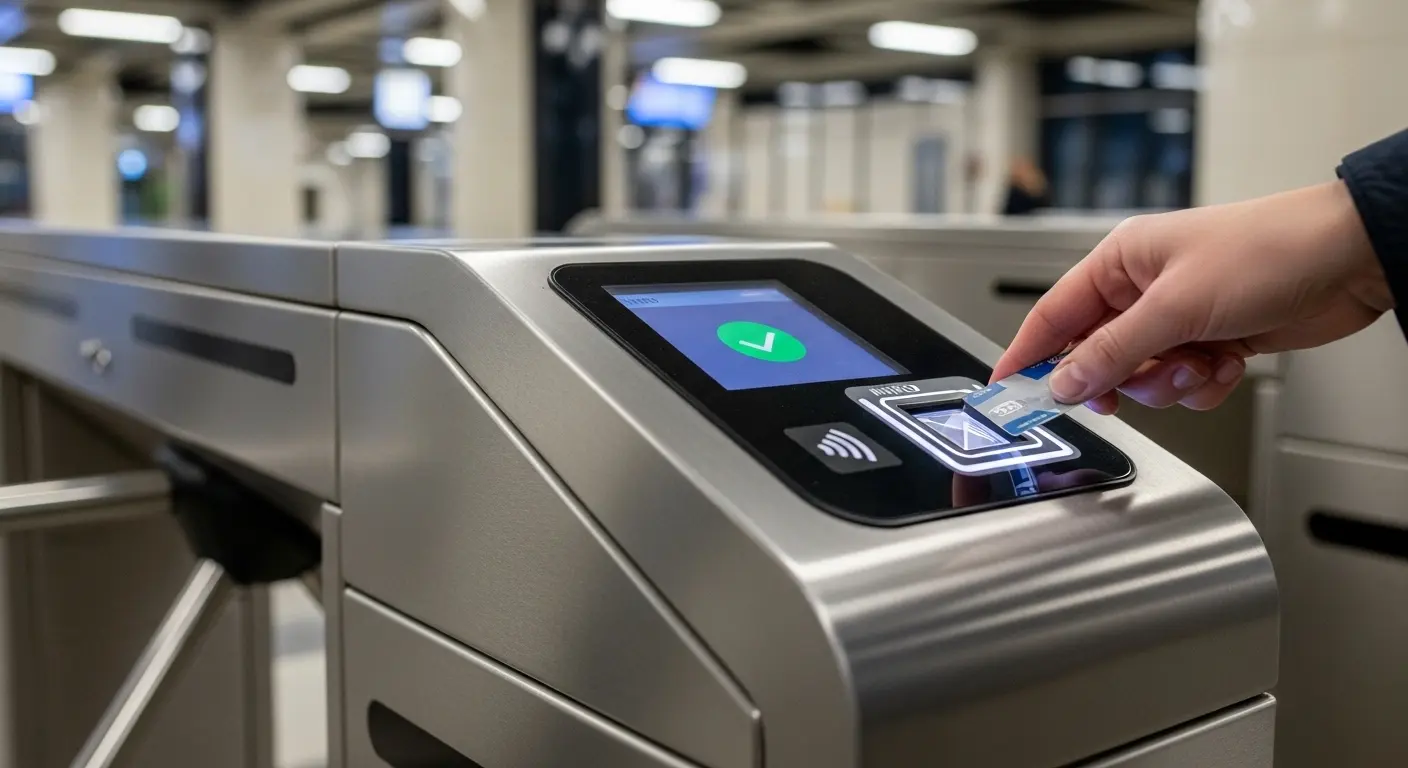
שער בתחנה חייב לקבל את אישור הכרטיסים של רשות התחבורה כבר משלב המפרט — ולא כהגדרה לאחר ההתקנה. כל פרוטוקול AFC דורש חומרת קורא ספציפית המובנית ביחידת השער בייצור.
| אישור כרטוס | פרוטוקול | חומרת קוראים | סוגי שערים תואמים |
|---|---|---|---|
| כרטיס מעבר RFID | ISO 14443 / ויגנד | 13.56 קורא MHz | מחסום דפים, שער מהירות, חצובה, גובה מלא |
| כרטיס QR אלקטרוני (נייד או מודפס) | TCP/IP | 2סורק ברקוד D | מחסום דפים, שער מהירות, חצובה |
| כרטיס בנק EMV ללא מגע | ISO 14443 | קורא EMV ללא מגע | מחסום דפים, שער מהירות |
| NFC Mobile Pay | ISO 18092 / HCE | קורא NFC | מחסום דפים, שער מהירות |
| זיהוי פנים | TCP/IP | מודול מצלמת IP | מחסום דפים, שער מהירות |
| ברקוד ישן / פס מגנטי | RS232 | החלקה / קורא סריקה | חצובה (מערכות ישנות בלבד) |
בהתבסס על הניסיון שלנו בפריסת התחנה, הפער העקבי ביותר במפרט AFC הוא היעדר תצורת קורא כפול — 13.56 קורא RFID MHz וסורק QR באותו יחידת שער. זה כולל גם משתמשי כרטיסי תחבורה ציבורית וגם משתמשי כרטיסים אלקטרוניים מנתיב אחד ללא ערוצים נפרדים לכל סוג אישור. אשר גם את פרוטוקול ה-AFC וגם את חומרת הקורא הנדרשת לפני ביצוע הזמנת השער. לשער האנטי-טיילגייטינג של איירונמן עם תצורת ריבוי אישורים, ראו אתעמוד שער ה-AB נגד שער זנב.
תכנון קצב העברה ודירוג IP חיצוני לשערי תחנות
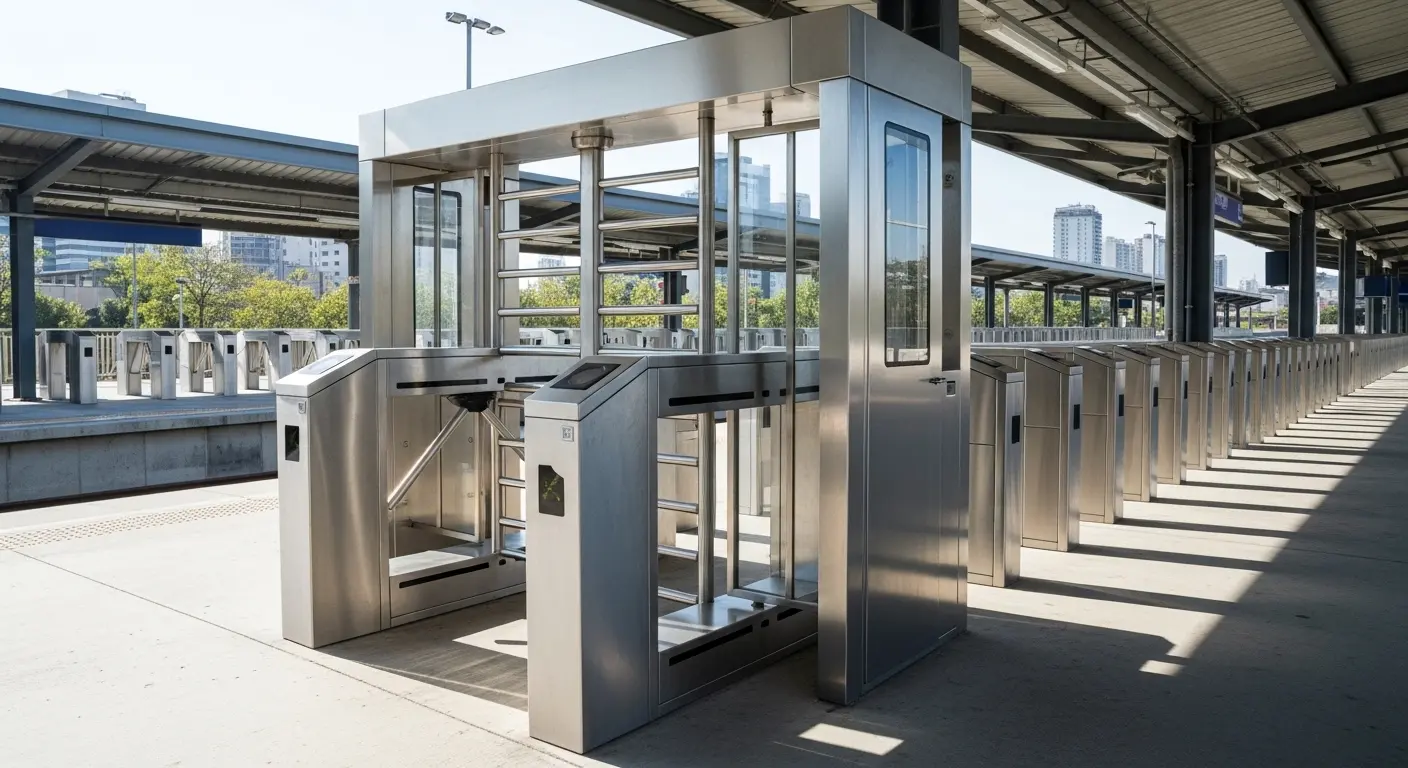
שתי החלטות מפרט גורמות למספר הרב ביותר של שיפוצים בפרויקטים של שערי התחנה: ציון חסר של מספר הנתיבים בגלל חישובי תפוקה שגויים, והפחתת דירוג ה-IP החיצוני לסביבה הפיזית של התחנה.
נוסחת תפוקת העברה של אירוע מגורים
נתיבים = נוסעים לכל רכבת ÷ חלון מגורים (שניות) × 60 ÷ שער ppm
דוגמה 1 — תחנת מסילת רכבת, 600-רכבת נוסעים, 90-המגורים השנייה, מחסום מדפים ב- 50 ppm:
600 ÷ 90 × 60 = 400 ppm. 400 ÷ 50 = 8 נתיבי →8 מינימום נתיבי מחסום מדפים.
דוגמה 2 — תחנת רכבת קלה, 150 הנוסעים, 60-המגורים השנייה, חצובה ב 35 ppm:
150 ÷ 60 × 60 = 150 ppm. 150 ÷ 35 = 4.3 נתיבי →5 מינימום נתיבי חצובה.
גודל לשיא האירוע בחיים — לא שיעור כניסה ממוצע לשעה. גודל ממוצע בקצב נמוך באופן עקבי מספיק מספרי נתיבים לפריסות תחנות בנפח גבוה.
דירוג IP חיצוני לסביבות תחנות
| סביבת התחנה | קניין רוחני מינימלי | קניין רוחני מומלץ | היגיון |
|---|---|---|---|
| תחנה מקורה סגורה | IP42 | IP54 | אבק, פיצוץ מזדמן |
| פלטפורמה חצי-מקורה | IP54 | IP54 | התזת גשם, אבק מונע על ידי הרוח |
| פלטפורמה חיצונית חשופה | IP54 | IP65 | גשם ישיר, מחזור טמפרטורה |
| חוף / סביבה לחה | IP65 | IP65 | קורוזיה, אוויר מלח, לחות גבוהה |
| טרמינל BRT ברמת הרחוב | IP54 | IP65 | חשיפה מלאה לחוצות |
מניסיוננו עם פריסות שערי תחנה חיצוניים, כל פרויקט שבו צוינו חומרת IP54 עבור פלטפורמה חשופה לחלוטין דרש שדרוג ל-IP65 בתוך 12 חודשים — מונעים על ידי עיבוי שנכנס לבקר השער כתוצאה מהחלפת טמפרטורה בין היום לבין הלילה. ציין IP65 לכל פלטפורמת תחנה חיצונית חשופה בנקודת ההזמנה.
דרישות ADA ובטיחות לשערי סיבוב תחנה
עמידה בדרישות ADA ו-NFPA 101 יציאה בטוחה הן דרישות חובה לכל פריסת שער בתחנה — לא תוספות אופציונליות.
דרישות שער נגיש לפי ADA
לפי תקני ADA לעיצוב נגיש (ארה"ב. לוח גישה), בנק שער הכרטיסים של כל תחנה חייב לכלול לפחות מעבר נגיש אחד עם מינימום של 32 אינץ' (812 מ"מ) רוחב נקי. המפרט המועדף לתחבורה ציבורית מודרנית הוא 48 אינץ' או יותר — כיסא גלגלים מתאים, עגלה, וגישה למזוודות בו-זמנית. נתיב ADA חייב להיות באותו שער — לא במיקום תחנה נפרד. לפריסות תחנות המשרתות פונקציות ממשלתיות או תחבורה אזרחית, ראו אתדף שער גישה למתקן ממשלתי.
NFPA 101 יציאה בטוחה
לפי NFPA 101 קוד בטיחות חיים, כל שער סיבוב תחנה על נתיב יציאה חירום מוגדר חייב להיסוג למצב פתוח לחלוטין בתוך 3 שניות של הפעלת אזעקת אש או אובדן חשמל ברשת — ונשארים פתוחים לאורך כל תקופת החירום. מפעיל הבטיחות חייב להתחבר ישירות ללוח הבקרה של אזעקת האש של התחנה באמצעות קלט מגע יבש. פקודה מבוססת תוכנה הנתונה לעיכוב רשת אינה עומדת בדרישה זו. אשר אינטגרציה של לוח האש וזמן תגובה בטיחותי בשלב המפרט — לפני אישור הפריסה.
קבלת הצעת מחיר ישירה למפעל עבור שער הטורנסטל של התחנה שלך
ארבעה פריטים מספיקים להצעת מחיר מלאה ישירה למפעל בתוך 12 שעות פעילות.
- הגדר את סוג התחנה ועומס השיא שלך: תחנת הקצה של הרכבת / רציף מטרו / טרמינל BRT / תחנת רכבת קלה / כניסה משנית + קיבולת רכבת וחלון מגורים בשניות
- חשב את מספר הנתיבים שלך: יישמו את נוסחת אירוע השהייה — נוסעים ברכבת ÷ שניות × 60 ÷ שער ppm = נתיבים; הוסף נתיב אחד עם מעבר רחב ADA לכל בנק שער
- אשר פרוטוקול AFC ודירוג IP: RFID / QR / EMV / NFC — אשר את פרוטוקול הכרטיסים של רשות התחבורה; אשר דירוג IP חיצוני עבור החשיפה הסביבתית של התחנה
- הגישו את תקציר התחנה שלכם: בקרו ב מרכז פתרונות להצעת מחיר לשער קורה ישיר לתחנה בתוך 12 שעות פעילות, עם CE, ISO9001, ה-FCC, ומסמכים להסמכת RoHS כלולים
שאלות נפוצות
שאלה 1: איזה סוג שער בשערים מתאים ביותר לתחנת רכבת?
לתחנת רכבת בנפח גבוה, מחסום מדש הוא שער הסיבוב הטוב ביותר לתחנה לנתיבי נסיעה סטנדרטיים — מספק 40–60 ppm לכל נתיב, אנטי-טיילגייטינג מבוסס חיישנים, ואינטגרציה מלאה של כרטיסים ל-AFC (RFID, QR, EMV, NFC). שער מהירות חכם במהירות 50–80 ppm מתאים לתחנות קצה פרימיום ולתחנות עירוניות בעלות תפוקה גבוהה שבהן התפוקה היא הדאגה התפעולית העיקרית. שער חצובה בנפח 25–40 ppm מתאים לכניסות משניות ולמיקום שיפוץ תקציבי במחיר של 200–1,200$ לנתיב. שער סיבוב בגובה מלא ב-20–30 ppm מתאים להיקפי פלטפורמות חיצוניות בלתי מאוישות, שבהן נדרשים בקרת גישה פיזית מקסימלית ועמידות חיצונית ל-IP65. סוג השער הנכון תלוי בפונקציית התחנה — לא רק בקטגוריית קו התחבורה.
שאלה 2: איך שער בכיתוב תחנה משתלב עם מערכות כרטיסים של AFC?
שער סיבוב תחנה משתלב עם מערכות כרטיסים של AFC דרך חומרת קורא ייעודית המובנית ביחידת השער: a 13.56 MHz ISO 14443 קורא RFID לכרטיסי תחבורה ציבורית וכרטיסי EMV בנק, סורק ברקוד דו-ממדי לכרטיסי QR אלקטרוניים, ISO 18092 קורא NFC לתשלום נייד, ומודול מצלמת זיהוי פנים לאימות ביומטרי. רוב רשויות התחבורה כיום מגדירות תצורת קורא כפול — RFID בתוספת סורק QR — כך שנתיב שער אחד מכסה גם האזנת כרטיסי תחבורה וגם סריקת כרטיסים אלקטרוניים ללא נתיבים נפרדים. אשר את פרוטוקול ה-AFC של רשות המעבר ואת חומרת הקורא הנדרשת בשלב המפרט. שינויים בחומרת הקורא לאחר ההתקנה בדרך כלל מוסיפים 3–6 שבועות להפעלה ומעלים את עלות הפרויקט ב-8–15%.
שאלה 3: איזה קצב העברה שער טורנסטל של התחנה צריך להתמודד איתו?
השתמשו בנוסחת dwell-event: נוסעים ברכבת ÷ חלון מגורים (שניות) × 60 ÷ שער ppm = נתיבים. לרכבת רכבת עם 600 נוסעים עם מנוחה של 90 שניות ומחסום מדפים ב- 50 ppm, ספירת הנתיבים המינימלית היא 8 נתיבים. לתחנת רכבת קלה ל-150 נוסעים עם מנוחה של 60 שניות וחצובה ב- 35 ppm, המינימום הוא 5 נתיבים. גודל לשיא האירוע בחיים — לא שיעור כניסה ממוצע לשעה. לפי נתוני מדריך BRT של ITDP, שערי כנפיים נשלפים 60 ppm, בעוד חצובות זרוע מסתובבות מגיעות ל-25–40 ppm באותו מיקום.
שאלה 4: איזה דירוג IP צריך שער קורה של תחנה חיצונית?
לרציף תחנה חצי מקורה עם התזת גשם לסירוגין, IP54 הוא דירוג ה-IP החיצוני המקביל המינימלי למארז שער קורה של תחנה. לפלטפורמה חיצונית חשופה לחלוטין — גשם ישיר, מחזור טמפרטורה, סביבות חופיות או לחות גבוהה — IP65 הוא המפרט הנכון. בחוויית פריסת התחנה החיצונית שלנו, כל פרויקט שבו צוינו חומרת IP54 עבור פלטפורמה חשופה לחלוטין דרש שדרוג ל-IP65 בתוך 12 חודשים — מונעים על ידי עיבוי שנכנס לבקר השער ממחזור טמפרטורה יומי ללילה. ציין IP65 לכל פלטפורמת תחנה חיצונית חשופה בנקודת ההזמנה.
שאלה 5: מהן דרישות ה-ADA לשער סיבוב תחנה?
לפי תקני ADA לעיצוב נגיש (ארה"ב. לוח גישה), בנק שער הכרטיסים של כל תחנה חייב לכלול לפחות מעבר נגיש אחד עם מינימום של 32 אינץ' (812 מ"מ) רוחב נקי. מפרט התחבורה המועדף לבנייה חדשה הוא 48 אינץ' או יותר — כיסא גלגלים מתאים, עגלה, וגישה למזוודות מנתיב אחד. נתיב ה-ADA חייב להיות חלק מאותו קו שער, לא במיקום תחנה נפרד. שערי חצובה ושערי כניסה בגובה מלא דורשים נתיב ADA נפרד לצד בנק השער הסטנדרטי — מחסומי מדפים ושערי מהירות חכמים זמינים בתצורות נתיבים רחבות שממלאות את דרישת ה-ADA באותה יחידה.
שאלה 6: מהו דרישת הבטיחות לשער בתחנה?
לפי NFPA 101 קוד בטיחות חיים, כל שער סיבוב תחנה על נתיב יציאה חירום מוגדר חייב להיסוג למצב פתוח לחלוטין בתוך 3 שניות של הפעלת אזעקת אש או אובדן חשמל ברשת, ונשארים פתוחים לאורך כל תקופת אירוע החירום. הפעלת הבטיחות חייבת להתחבר ישירות ללוח הבקרה של אזעקת האש של התחנה באמצעות קלט מגע יבש — פקודת תוכנה הנתונה להשהיה רשת אינה עומדת בדרישה זו. עקיפה ידנית חד-פעולית חייבת להיות נגישה משני צידי השער בכל עת. אשר אינטגרציה של לוח האש וזמן תגובה בטיחותי בשלב המפרט, לפני אישור הפריסה.
שלוש החלטות שמגדירות את מפרט שער הטורנסטל של התחנה שלך
התאם את סוג השער לפונקציית התחנה ועומס שיא של אירוע מגורים — לא תעריף ממוצע לשעה. אשר את פרוטוקול הכרטיסים של AFC ואת תצורת הקורא הכפול בנקודת ההזמנה. הגדר IP65 לכל פלטפורמת תחנה חיצונית חשופה מההתחלה. שלוש ההחלטות הללו מונעות את התרחישים החוזרים הנפוצים ביותר בפרויקטים של שערי תחנה ומבטיחות שמערכת השערים תעבור את מבחני קבלת רשות התחבורה כבר בניסיון הראשון. הגישו את סוג התחנה שלכם, עומס רכבת, חלון מגורים, פרוטוקול AFC, ודרישת קניין רוחני חיצוני למרכז פתרונות להצעת מחיר לשער קורה ישיר לתחנה בתוך 12 שעות פעילות.
